Sleep is a direct driver of immune function, not a passive recovery state. The role of sleep in immunity covers everything from how your body produces antibodies to how it deploys Natural Killer (NK) cells against infected tissue. Researchers at UCLA Health confirm that poor sleep measurably weakens these defenses. The CDC links chronic short sleep to higher rates of infection and disease. If you want a stronger immune system, sleep quality is the most underrated lever you have.
How does sleep affect the immune system?
Sleep regulates the production and deployment of the immune system’s core tools. During healthy sleep phases, innate immune cells produce cytokines that coordinate your body’s response to pathogens. Cytokines are signaling proteins. They tell immune cells where to go, what to attack, and when to stand down.
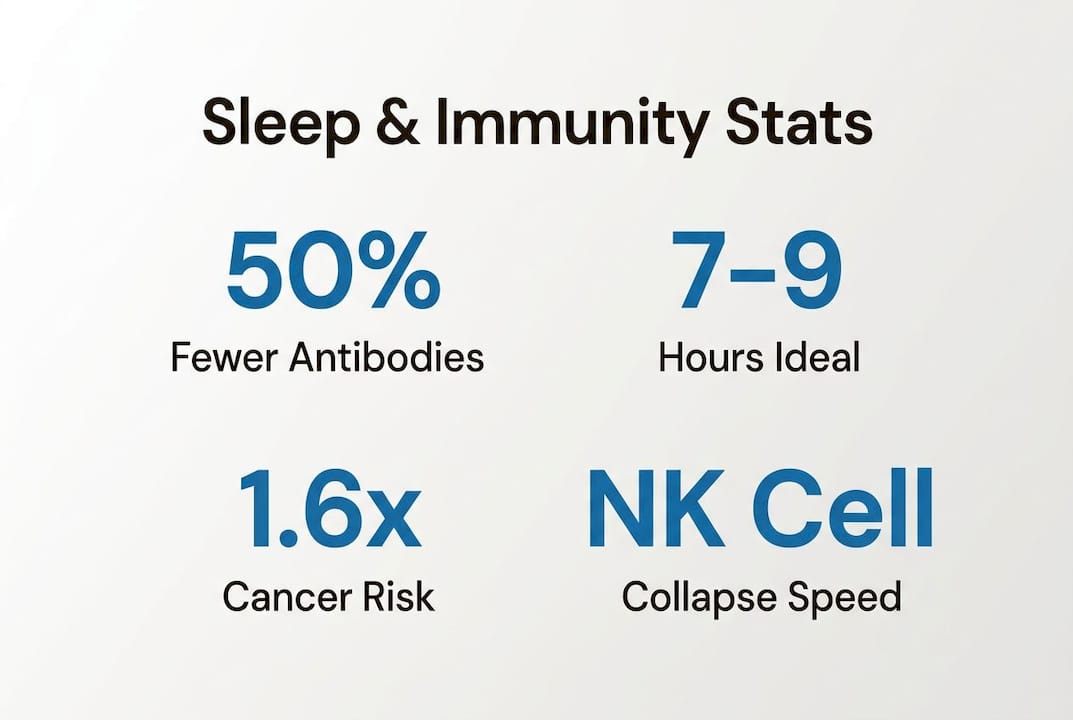
NK cells are your body’s first responders. They identify and destroy virus-infected cells and early-stage tumor cells without needing prior exposure to a pathogen. Sleep deprivation reduces NK cell activity within 24 hours. That is a fast, measurable collapse in your front-line defense.
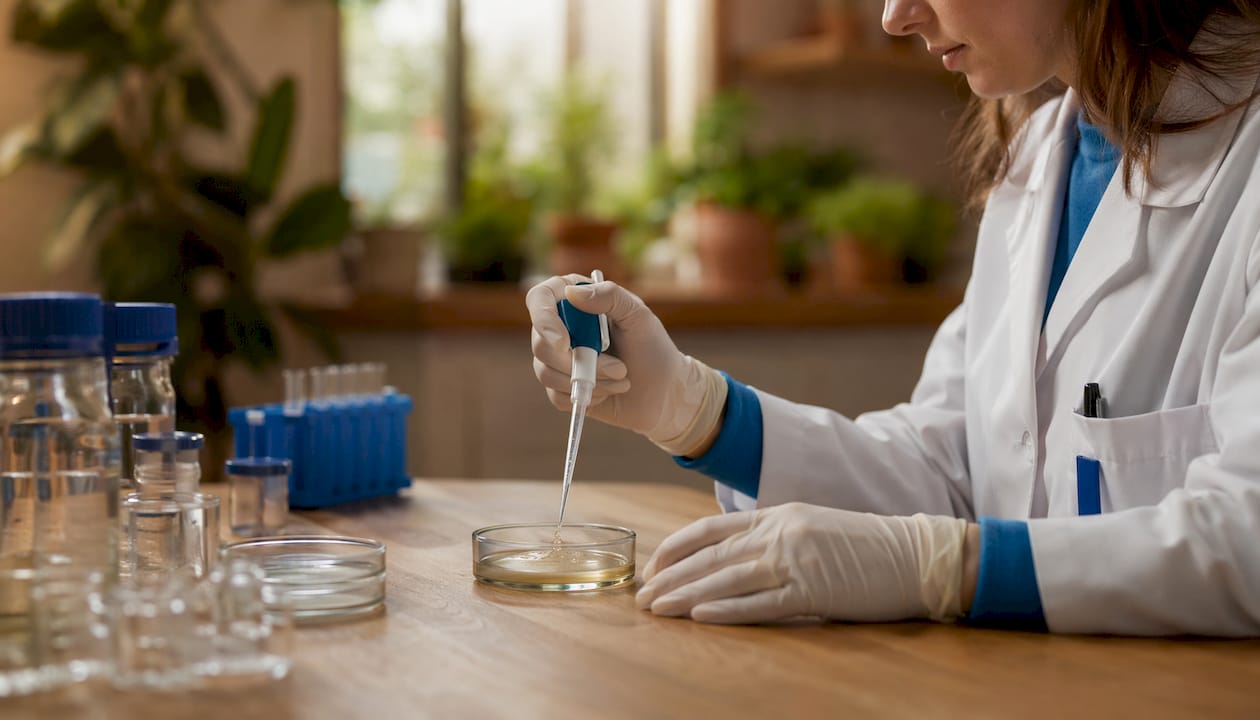
Sleep also shapes adaptive immunity, the system that remembers past infections and builds long-term protection. During sleep, your body consolidates immune memory by processing antigens encountered during the day. Immune memory relies on the downtime sleep provides for recognition and response to previously encountered threats. Without that downtime, your immune system cannot file the memory correctly.
The relationship runs in both directions. When your immune system activates during illness, it alters your sleep architecture by increasing deep sleep and suppressing REM. This is your body deliberately using sleep to fight back. Understanding why REM sleep matters for overall health helps explain why disrupted sleep during illness slows recovery.
- Cytokines: Produced during sleep to coordinate immune signaling and inflammation control.
- NK cells: Activity peaks with adequate sleep; drops sharply within one night of restriction.
- Antibodies: Formed more efficiently during and after sleep following antigen exposure.
- Immune memory: Consolidated during sleep for faster future responses.
- Glial cells: Mediate immune signals to neuronal circuits that control sleep-wake cycles, linking brain and immune function at the cellular level.
Pro Tip: Prioritize 7–9 hours of sleep the night before and after any vaccination. Your immune system uses that window to build the antibody response the vaccine is designed to trigger.
What happens to immunity when you don’t sleep enough?
Sleep deprivation does not just make you tired. It actively degrades your immune system’s ability to function. The damage shows up quickly and compounds over time.
Antibody production is one of the first casualties. Individuals with insufficient sleep produce up to 50% fewer antibodies following influenza vaccination. That means a vaccine designed to protect you may only deliver half its intended benefit if your sleep is poor around the time of inoculation.
Chronic sleep loss also raises pro-inflammatory cytokine levels. This sounds counterintuitive since cytokines are supposed to help. But when they stay elevated without an active infection to fight, they drive chronic inflammation risks including cardiovascular disease, metabolic disorders, and autoimmune flares. Inflammation is useful in short bursts. Sustained inflammation is damage.
The consequences extend to cancer risk. Reduced NK cell function from sleep loss associates with 1.6 times higher cancer mortality risk. NK cells are the immune system’s primary tool for identifying and eliminating abnormal cells before they become tumors. Weakening that system has long-term consequences that go well beyond catching a cold.
Sleep fragmentation, common in people with sleep apnea or chronic pain, carries its own risks. Fragmented sleep alters immune cell gene expression and links to 94 distinct clinical diagnosis traits through changes in NK and T cell crosstalk. That breadth of impact reflects how deeply sleep is woven into immune regulation.
Key consequences of poor sleep on immunity:
- Sharply reduced antibody production after vaccination
- Elevated pro-inflammatory cytokines driving chronic disease risk
- Lower NK cell activity and higher cancer mortality association
- Disrupted immune memory consolidation
- Increased susceptibility to respiratory and viral infections
How does sleep support vaccine efficacy and immune memory?
Vaccination is only as effective as the immune response it generates. Sleep is a direct variable in that equation. Short sleep duration, defined as less than six hours per night, predicts decreased antibody responses to both hepatitis and influenza vaccines, with a measured effect size of 0.79. That is a clinically meaningful reduction.
The timing of sleep relative to vaccination matters. Sleeping well both before and after a vaccine appointment gives your immune system the resources it needs to recognize the antigen and build a durable antibody response. Chronic sleep fragmentation impairs vaccination responses in ways that mirror the immune deficits seen in clinical sleep disorders.
One of the most important findings in this area concerns sleep debt. Many people assume they can compensate for a week of poor sleep by sleeping in on the weekend. Recovery from sleep debt by oversleeping does not restore antibody production impaired by previous insufficient sleep. The immune deficit is already locked in. Consistency matters far more than catch-up.
| Sleep pattern | Effect on vaccine antibody response |
|---|---|
| 7–9 hours consistently | Strong antibody titer; full immune memory formation |
| Less than 6 hours | Up to 50% reduction in antibody production |
| Fragmented sleep | Impaired response; mirrors clinical sleep disorder deficits |
| Catch-up sleep after deprivation | Does not restore previously impaired antibody levels |
Pro Tip: If you have a vaccine scheduled, treat the three nights before and after as non-negotiable sleep windows. Set a consistent bedtime and avoid alcohol, which fragments sleep architecture even in small amounts.
What interventions actually improve sleep for better immunity?
The most evidence-backed treatment for chronic insomnia is Cognitive Behavioral Therapy for Insomnia, known as CBT-I. CBT-I and mindfulness improve sleep quality and show promise for restoring immune function by reducing insomnia-linked inflammation. CBT-I works by restructuring the thought patterns and behaviors that perpetuate poor sleep, without relying on medication.
Stress is a major driver of sleep disruption and immune suppression. Chronic stress elevates cortisol, which suppresses immune cell activity and fragments sleep. Understanding how stress impacts sleep quality is a practical starting point for anyone whose sleep problems trace back to anxiety or overactivation at night.
Behavioral changes form the foundation of any sleep improvement plan:
- Consistent sleep schedule: Go to bed and wake at the same time every day, including weekends. Regularity anchors your circadian rhythm, which directly regulates immune cell activity.
- Sleep hygiene: Keep your bedroom cool, dark, and quiet. Avoid screens for 60 minutes before bed. These conditions support the deep sleep stages where most immune restoration occurs.
- Magnesium supplementation: Research on magnesium and sleep quality shows it can reduce sleep onset time and improve sleep efficiency, particularly in people with deficiency.
- Non-habit-forming sleep aids: Certain supplements support sleep without creating dependency. A guide to non-habit-forming sleep aids covers options with clinical backing.
- Breathing quality during sleep: Sleep-disordered breathing fragments sleep architecture and suppresses immune function. Addressing breathing during sleep is often the missing piece for people who sleep long hours but still feel unwell.
Deep sleep, specifically slow-wave sleep, is the stage most associated with immune restoration. Strategies to improve deep sleep naturally include reducing evening light exposure, avoiding late meals, and keeping a physically active daytime routine.
Key Takeaways
Consistent, quality sleep is the single most accessible tool for maintaining a strong immune system, and no amount of catch-up sleep repairs the immune deficits caused by chronic poor sleep.
| Point | Details |
|---|---|
| Sleep drives antibody production | Poor sleep cuts antibody response by up to 50%, reducing vaccine effectiveness significantly. |
| NK cells need nightly recovery | Sleep deprivation reduces NK cell activity within 24 hours, weakening cancer and pathogen defense. |
| Consistency beats catch-up | Oversleeping after sleep debt does not restore immune function; a regular schedule is required. |
| CBT-I restores immune function | Cognitive Behavioral Therapy for Insomnia reduces inflammation and improves immune responses. |
| Vaccine timing depends on sleep | Sleep well before and after vaccination to maximize antibody titer and immune memory formation. |
Sleep and immunity: what the research keeps getting right
The finding that surprises most people I talk to is not the antibody data. It is the speed of the NK cell collapse. Within a single night of restricted sleep, your body’s ability to identify and destroy abnormal cells drops measurably. That is not a long-term trend. That is tonight’s consequences showing up tomorrow morning.
The other misconception I see constantly is the belief that sleeping in on Saturday fixes the damage from a short-sleep week. The research is unambiguous on this. You cannot bank sleep in advance, and you cannot recover immune function retroactively. The immune system does not work on credit. It works on what you gave it last night.
What I find most compelling about the current research is the bidirectional nature of the relationship. Your immune system does not just benefit from sleep. It actively uses sleep as a repair window. When you are sick and feel an overwhelming urge to sleep, that is not weakness. That is your immune system commandeering resources. Fighting that urge with stimulants or obligations is working against your own biology.
The practical implication is simple but hard to execute: regularity and duration both matter, and neither compensates for the other. Seven hours at random times is not the same as seven hours on a consistent schedule. The circadian rhythm governs immune cell activity on a clock. Disrupting that clock disrupts the immune response, even if total sleep hours look adequate on paper.
Sleep health belongs in public health conversations the same way nutrition and exercise do. The evidence is just as strong. The barrier is that sleep feels passive, so people undervalue it. It is not passive. It is when your immune system does its most important work.
— Cadence
Rest better with Evergreenbliss
Better sleep is not just about feeling rested. It is about giving your immune system the conditions it needs to do its job. Evergreenbliss carries a curated range of sleep and relaxation aids designed to support deeper, more consistent rest, from supplements to physical comfort tools that make quality sleep easier to achieve night after night. For people whose sleep suffers from stress or tension, the mental wellness and stress-relief collection offers targeted tools to quiet the nervous system before bed. Every product ships free, with easy returns and secure checkout.
FAQ
How many hours of sleep does the immune system need?
Most adults need 7–9 hours of consistent sleep per night for full immune function. Sleeping less than six hours measurably reduces antibody production and NK cell activity.
Does sleep deprivation increase infection risk?
Sleep deprivation weakens both innate and adaptive immunity, raising susceptibility to viral and bacterial infections. Fragmented sleep links to 94 distinct clinical diagnosis traits through immune cell disruption.
Can you recover immune function by sleeping more after a bad week?
Oversleeping after sleep debt does not restore previously impaired antibody production. Consistent nightly sleep is the only way to maintain immune function over time.
How does sleep affect vaccine effectiveness?
Short sleep duration before or after vaccination reduces antibody response by up to 50%. Sleeping well in the days surrounding a vaccine appointment is one of the most effective ways to maximize its protection.
What is the best non-drug approach to improving sleep for immunity?
Cognitive Behavioral Therapy for Insomnia is the most evidence-backed non-pharmacological treatment. It reduces insomnia-linked inflammation and supports immune restoration without medication dependency.