Improving breathing during sleep means optimizing nasal airflow, sleep position, and respiratory muscle function to enhance oxygenation and reduce airway obstruction. Poor nighttime breathing is not just a comfort issue. It directly affects cardiovascular health, cognitive performance, and how rested you feel each morning. The strategies that work best combine nasal breathing habits, positional therapy, and targeted exercises. Each approach addresses a different layer of the problem, and together they produce results that no single fix can match.
How to improve breathing during sleep with nasal breathing
Nasal breathing is the single most impactful habit change you can make for better breathing at night. The nose filters, humidifies, and warms incoming air in ways the mouth cannot replicate. More importantly, nasal breathing produces nitric oxide, which improves oxygen exchange and shifts your nervous system toward the parasympathetic state that supports deep, restorative sleep. Mouth breathing bypasses all of this, leaving your airway drier, less protected, and more prone to collapse.
The physiological cost of mouth breathing is significant. Mouth breathing increases breathing work 2.5 times and lowers upper airway muscle tone, which raises the risk of airway collapse during sleep. That means more snoring, more disrupted sleep cycles, and a higher likelihood of developing obstructive sleep apnea over time. Restoring nasal patency shortens oxygen desaturation events and even improves tolerance for CPAP therapy in people already diagnosed with sleep apnea.
Building nasal breathing as a nighttime default takes deliberate practice. Here are the most effective methods:
- Daytime nasal breathing practice: Breathe exclusively through your nose during low-intensity activities like walking or reading. This trains the habit before sleep demands it.
- Nasal strips: Adhesive strips worn across the bridge of the nose physically widen the nostrils and improve airflow. Evergreenbliss nasal strips are a practical starting point for anyone dealing with mild nasal resistance.
- Saline rinses: A neti pot or saline spray clears mucus and reduces inflammation in the nasal passages, making nasal breathing physically easier.
- Mouth taping: Light surgical tape or purpose-made mouth tape can encourage nasal breathing during sleep, but only after you have established comfortable daytime nasal breathing. Rushing mouth taping before achieving daytime nasal breathing can cause panic or significant discomfort.
Physical obstructions like a deviated septum or nasal polyps can make nasal breathing training ineffective or distressing. If you consistently struggle to breathe through your nose even during the day, see an ENT specialist before attempting any nighttime nasal breathing protocol.
Pro Tip: Start nasal breathing training during naps rather than full nights. A 20-minute nap with nasal strips gives you a low-stakes environment to build the habit without disrupting a full night of sleep.
What sleep position does to your airway
Sleep position is one of the most underrated tools for improving nighttime airflow. The physics are straightforward. When you sleep on your back, gravity pulls the tongue and soft palate toward the back of the throat, narrowing or blocking the airway. The result is more snoring, more apnea events, and more fragmented sleep.
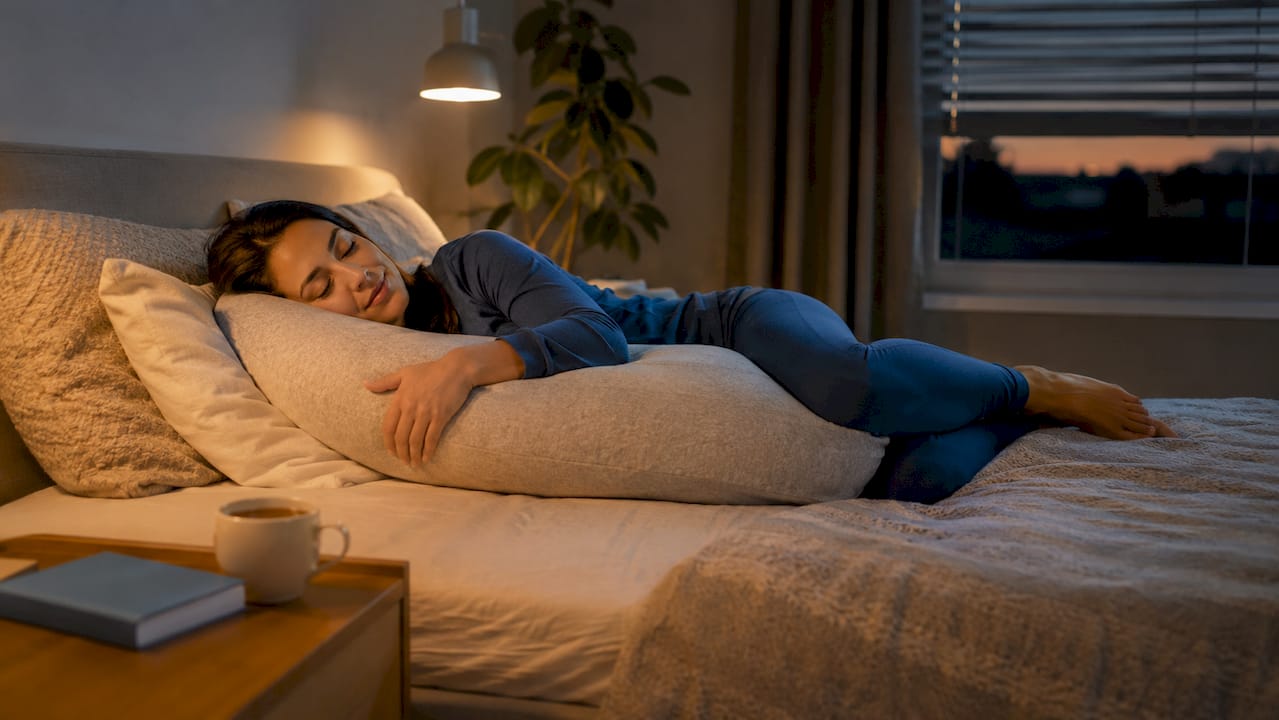
Shifting from back to side sleeping reduces apnea events by 30 to 50%, and 62% of obstructive sleep apnea patients experience twice as many breathing events on their back compared to their side. That is a dramatic difference achievable with zero medication or equipment beyond a pillow. The challenge is staying in position throughout the night, since most people shift positions multiple times without waking.
Comparing sleep positions for airway health
| Position | Airway impact | Best for |
|---|---|---|
| Back (supine) | Highest obstruction risk | Not recommended for snorers or apnea patients |
| Side (lateral) | 30-50% fewer apnea events | Most people, especially those with OSA |
| Elevated side | Reduced acid reflux and congestion | People with GERD or nasal congestion |
| Stomach (prone) | Neck strain, poor alignment | Generally not recommended |
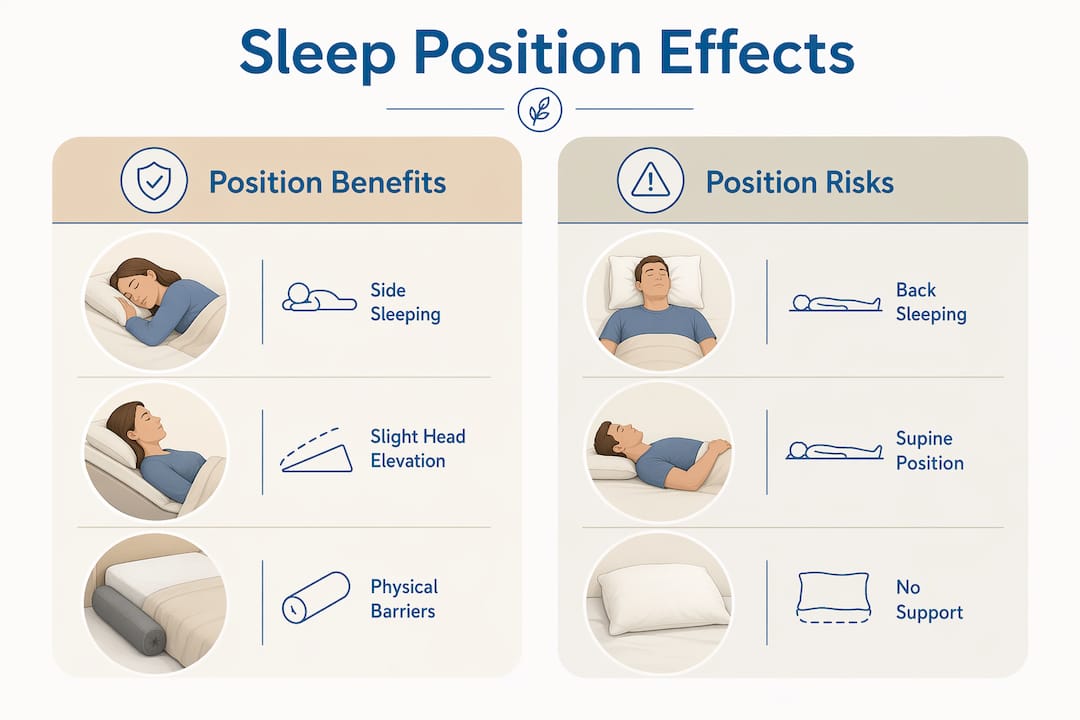
Maintaining side sleeping requires more than intention. Using firm wedges or body pillows creates a physical barrier that prevents rolling onto your back during sleep. A full-length body pillow placed behind your back works well. Some people sew a tennis ball into the back of a sleep shirt, which creates enough discomfort to prompt rolling back to the side without fully waking.
Slight head elevation, around 30 degrees, adds another layer of benefit. It reduces nasal congestion by promoting drainage and decreases the gravitational pull on soft tissue in the throat. A wedge pillow achieves this more reliably than stacking standard pillows, which tend to shift overnight.
Pro Tip: Consistent side sleeping requires a physical barrier, not just willpower. Place a firm pillow or rolled blanket directly behind your lower back before you fall asleep. You will stay in position far more reliably than if you rely on habit alone.
Breathing exercises and orofacial therapy that strengthen your airway
Breathing exercises and orofacial myofunctional therapy (OMT) address the root cause of airway collapse: weak or poorly coordinated muscles in the tongue, soft palate, and pharynx. These muscles hold the airway open during sleep, and when they lack tone, the airway narrows or collapses under the reduced pressure of inhalation.
OMT combined with breathing exercises for 3 months reduces pharyngeal airway collapse in 60.9% of participants. That is a clinically meaningful result from a non-invasive intervention. The exercises target the same muscles that CPAP therapy bypasses, meaning consistent practice can produce structural improvements rather than just symptomatic relief.
Here is a practical sequence to start with:
- Tongue press: Press the entire tongue flat against the roof of your mouth and hold for 5 seconds. Repeat 10 times. This strengthens the tongue’s resting posture, which keeps it from falling back during sleep.
- Soft palate lifts: Say “ahh” while looking in a mirror and watch the uvula rise. Practice sustaining that lift for 3 to 5 seconds. Repeat 10 times. This directly targets the tissue most responsible for snoring.
- Diaphragmatic breathing: Lie on your back with one hand on your chest and one on your abdomen. Inhale through your nose for 4 counts, letting your abdomen rise while your chest stays still. Exhale slowly for 6 counts. Repeat for 5 minutes.
- Paced breathing before sleep: Slow your breathing to fewer than 10 breaths per minute for 5 to 10 minutes before bed. Paced breathing below 10 breaths per minute consistently improves self-reported sleep quality by activating the parasympathetic nervous system, though effects on total sleep time vary between individuals.
Exercise results by practice duration
| Practice duration | Expected outcome |
|---|---|
| 2 to 4 weeks | Improved daytime nasal breathing comfort |
| 6 to 8 weeks | Reduced snoring frequency reported by bed partners |
| 3 months | Measurable reduction in airway collapse events |
Pro Tip: Start with a supervised session from a speech-language pathologist trained in OMT, or use a structured app like Buteyko Breathing or similar guided programs. Feedback in the early weeks prevents compensatory habits that reduce effectiveness.
How bedroom air quality affects nighttime airflow
The air in your bedroom directly affects how easy or hard it is to breathe at night. Dry air dries out nasal mucosa, causing swelling and congestion that forces mouth breathing. Overly humid air promotes dust mite and mold growth, both of which trigger nasal inflammation and allergic responses.
Maintaining indoor humidity between 30% and 50% optimizes nasal mucosa health and reduces nasal obstruction risk. Humidity above 50% accelerates allergen growth. Below 30%, mucosa dries and swells. A basic hygrometer costs under $15 and tells you exactly where your bedroom stands. A humidifier or dehumidifier then lets you correct the balance.
Beyond humidity, allergen control matters more than most people realize. Dust mites live in mattresses, pillows, and bedding, and their waste particles are a leading trigger of nighttime nasal congestion. Allergen-proof mattress and pillow covers, combined with weekly hot-water washing of bedding, reduce exposure significantly. An air purifier with a HEPA filter removes airborne particles including pet dander, pollen, and mold spores.
Lifestyle choices also shape nighttime nasal airflow. Alcohol relaxes the muscles of the upper airway and increases nasal congestion, making breathing harder within hours of consumption. Smoking damages nasal cilia and causes chronic inflammation. Even late caffeine intake can disrupt the sleep architecture that allows breathing to regulate naturally during deep sleep stages.
Pro Tip: Run your air purifier for at least one hour before you go to bed, not just while you sleep. This clears the room of accumulated particles from the day and gives you cleaner air from the moment you lie down.
Key takeaways
Better breathing at night requires consistent changes across nasal habits, sleep position, muscle conditioning, and bedroom environment working together.
| Point | Details |
|---|---|
| Nasal breathing is foundational | Nasal breathing produces nitric oxide and reduces airway collapse risk compared to mouth breathing. |
| Side sleeping cuts apnea events | Shifting from back to side sleeping reduces breathing disruptions by 30 to 50%. |
| OMT produces structural change | Three months of orofacial exercises reduces pharyngeal collapse in over 60% of participants. |
| Humidity range matters | Keep bedroom humidity between 30% and 50% to protect nasal mucosa and reduce congestion. |
| Barriers beat willpower | Physical aids like wedge pillows and body pillows maintain sleep position more reliably than habit alone. |
What I’ve learned about making breathing improvements actually stick
Most people approach sleep breathing like a single problem with a single fix. They try nasal strips for a week, see partial results, and move on. What I’ve observed is that the improvements compound when you layer the strategies rather than rotate through them.
The nasal breathing work is the hardest part to get right. People underestimate how much daytime nasal resistance they carry, often from mild congestion they have normalized over years. Treating nasal patency as a medical priority rather than a comfort preference changes the outcome. When nasal airflow is genuinely clear, the positional therapy and exercises work faster and feel less effortful.
The other thing I would push back on is the expectation of quick results. Nasal breathing retraining typically takes 2 to 4 weeks of consistent daytime practice before it carries over into sleep. OMT results show up at the 3-month mark. Positional therapy works faster, often within days, but only if the physical barriers are actually in place every night.
If you are waking up gasping, experiencing morning headaches, or your partner reports that you stop breathing during sleep, these strategies are not a substitute for a sleep study. They support medical treatment. They do not replace it.
— Cadence
Sleep better with the right tools from Evergreenbliss
Knowing what to do is only half the equation. Having the right tools makes the difference between a strategy you try once and one you actually maintain.

Evergreenbliss carries a curated selection of sleep and relaxation aids designed to support every layer of better nighttime breathing, from nasal strips that open airflow immediately to wedge pillows and positioning supports that keep your airway aligned through the night. For those building a full breathing and sleep hygiene routine, the personal care and hygiene gadgets collection includes respiratory aids and wellness tools that complement the exercises and habits covered in this article. Free shipping and easy returns make it low-risk to find what works for you.
FAQ
What helps breathing while sleeping most effectively?
Nasal breathing, side sleeping, and orofacial muscle exercises are the three most evidence-backed methods. Used together, they address airflow, airway position, and muscle tone simultaneously.
How long does it take to improve nighttime airflow?
Positional changes like side sleeping produce results within days. Nasal breathing retraining takes 2 to 4 weeks of daytime practice. Breathing exercises and OMT show measurable airway improvements after 3 months of consistent practice.
Is mouth taping safe for better breathing at night?
Mouth taping is safe only after you have established comfortable nasal breathing during the day. Attempting it with significant nasal obstruction can cause distress. Clear your nasal passages first and consult a practitioner if you have any history of breathing difficulty.
Can bedroom humidity really affect how well I breathe during sleep?
Yes. Humidity below 30% dries nasal mucosa and causes swelling that forces mouth breathing. Humidity above 50% promotes dust mite and mold growth that triggers nasal congestion. Keeping your bedroom between 30% and 50% is one of the simplest ways to breathe easier during sleep.
When should I see a doctor about nighttime breathing problems?
See a doctor if you wake up gasping, experience frequent morning headaches, or a partner reports pauses in your breathing. These are signs of obstructive sleep apnea, which requires medical evaluation and cannot be resolved through lifestyle changes alone.