Pain management, in the home and consumer sense, means using non-prescription tools and techniques to reduce everyday aches, restore daily function, and improve sleep quality. It is not a clinical specialty. It is a practical, personal strategy you build from products and habits that work in your living room, not a hospital.
The main product categories that deliver this kind of relief:
- Pulsed-heat and high-temperature heat devices (pads, wraps, targeted heat tools)
- TENS units (transcutaneous electrical nerve stimulation)
- Percussion and vibration massage devices
- Topical analgesic creams and gels
- Posture supports and braces
- Pressure-relief sleep surfaces and supportive bedding
- OTC oral analgesics (acetaminophen, ibuprofen, naproxen)
- Acupressure mats and self-massage tools
Most of these methods deliver relief within a single session, often lasting several hours. If your pain is new, severe, or accompanied by numbness, weakness, or fever, skip the home tools and see a clinician first.
Key Takeaways
Home-focused pain management means using non-prescription tools like heat, TENS, percussion devices, and posture supports to reduce everyday aches and improve sleep quality without clinical intervention.
| Point | Details |
|---|---|
| Definition | Pain management at home means reducing aches and improving sleep with OTC tools, not clinical procedures. |
| Strongest heat evidence | 72% of in-home trial participants reported 3+ hours of relief from a single pulsed-heat session. |
| Sleep surface impact | Pressure-relief mattresses reduced pain-related sleep disruptions by 63%–68% in independent in-home studies. |
| Safety first | Never use TENS with a pacemaker; keep heat sessions under 30 minutes; follow OTC dosage limits strictly. |
| Evergreenbliss | Browse posture supports, heat devices, and sleep aids at Evergreenbliss with free shipping and easy returns. |
Table of Contents
- What does pain management mean for everyday aches?
- What does the evidence say about relief and sleep?
- How to choose the right at-home pain-management product
- What to expect from each product type
- Safety rules and when to see a clinician
- How Evergreenbliss approaches home pain management
- The most underrated part of home pain management is what you measure
- Evergreenbliss makes it easier to start
- Sources
What does pain management mean for everyday aches?
The Cleveland Clinic’s multimodal pain overview frames pain control as a combination of non-drug options and medications used together to improve function and sleep. At home, that translates to layering a few targeted tools rather than relying on a single pill or device.
Heat and cold. Heat increases blood flow and relaxes muscle tissue, which is why it works so well for muscle tension, low-back stiffness, and neck soreness. Cold reduces local inflammation and numbs sharp, acute pain. Use heat for chronic muscle aches; use cold for fresh injuries or swelling in the first 48 hours.
TENS (electrical stimulation). A TENS unit sends low-voltage electrical pulses through adhesive pads placed on the skin. Those pulses interrupt pain signals traveling to the brain and may trigger a small release of endorphins. Best for: nerve-adjacent muscle pain, low-back ache, and shoulder tension.
Percussion and vibration massage. A percussion wand drives rapid pulses deep into muscle tissue, breaking up knots and increasing circulation. Vibration tools work more superficially. Both are good for post-activity soreness and tight upper-back muscles.
Topical analgesics. Creams and gels containing menthol, lidocaine, capsaicin, or diclofenac work locally. They do not enter the bloodstream in meaningful amounts, which makes them a sensible first choice for joint pain or localized muscle soreness when you want to avoid systemic medication.
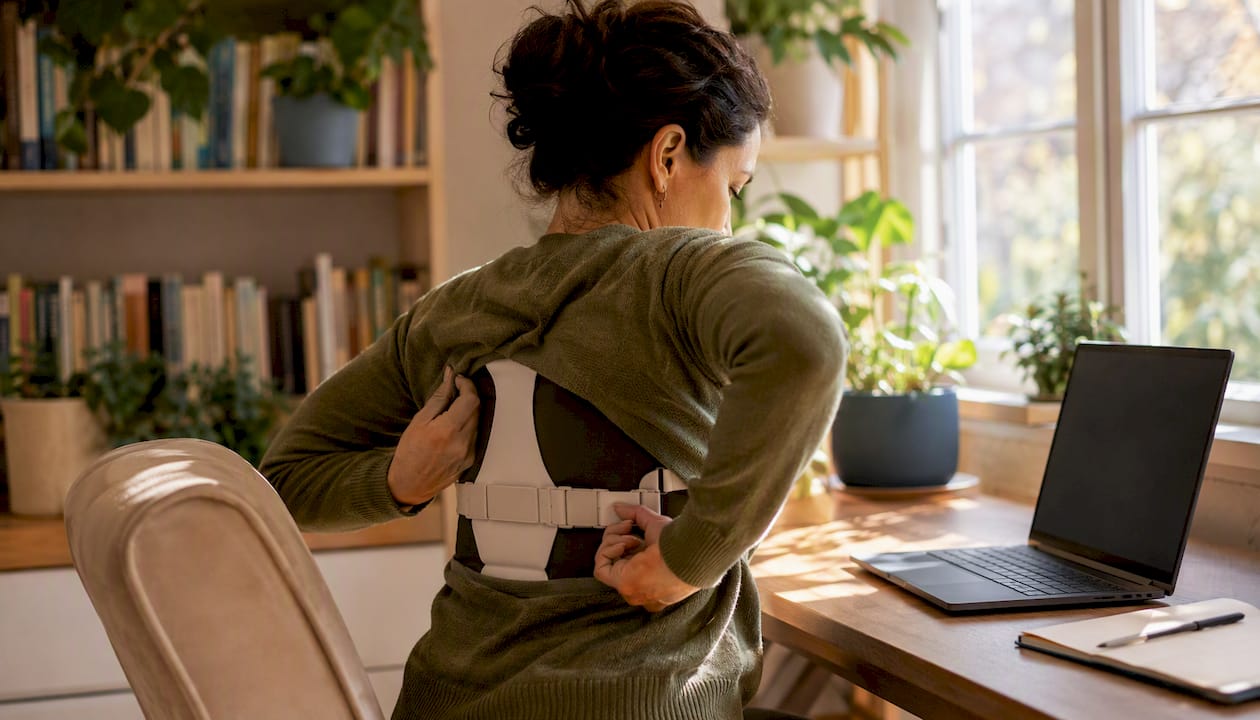
Posture supports and braces. These redistribute mechanical load away from overworked joints and muscles. Consistent use during desk work or lifting can reduce the cumulative strain that builds into chronic aches. Pain relief and posture correction tools are among the most underused home options for people with recurring neck and back pain.
Acupressure and self-massage. Sustained pressure on trigger points releases muscle tension through a reflex arc. Acupressure mats let you apply this across a broad area of the back or neck passively, which is useful for winding down before sleep.
OTC oral analgesics. Acetaminophen blocks pain signals centrally without anti-inflammatory action. NSAIDs (ibuprofen, naproxen) reduce prostaglandin production, which lowers inflammation and pain together. Both are appropriate for minor, short-term aches at labeled doses.
Pro Tip: Match session length to the tool. Heat works best in 15–20 minute sessions; longer than 30 minutes on high heat risks skin irritation without adding relief. TENS sessions of 20–30 minutes are enough for most users. Percussion massage is most effective in 60–90 second bursts per muscle group, not prolonged grinding on a single spot.
What does the evidence say about relief and sleep?
According to a PMC-published in-home trial, an 8-week study of a pulsed high-temperature heat device for chronic low back pain found that A majority of participants reported that a single treatment produced several hours of pain relief, with significant reductions in pain interference over 60 days. That is a real-world result from people using the device at home, not in a controlled lab setting, which makes it especially relevant for shoppers.
TENS shows a more mixed picture. A PMC meta-analysis and trial review found that some TENS studies report improvements in both subjective and objective sleep measures alongside pain reductions in people with chronic low back pain, but results across larger trials are inconsistent. Short-term relief is the more reliable expectation.
Sleep surfaces matter more than most shoppers expect. Independent in-home mattress studies reported substantial reductions in self-reported pain-related sleep disruptions were observed when participants switched to pressure-relief mattress technology during extended at-home use. That is a larger effect than most people attribute to bedding alone.
A majority of participants in a real-world pulsed-heat trial reported multiple hours of pain relief from a single session — a figure that holds up because the study was conducted at home, not in a clinic.
JMIR smart-home research adds useful context: observable daily behaviors like sleep duration, grooming, and mobility shift measurably when pain is poorly controlled. Tracking those behaviors at home, even informally, gives you a practical signal that your current tools are or are not working.
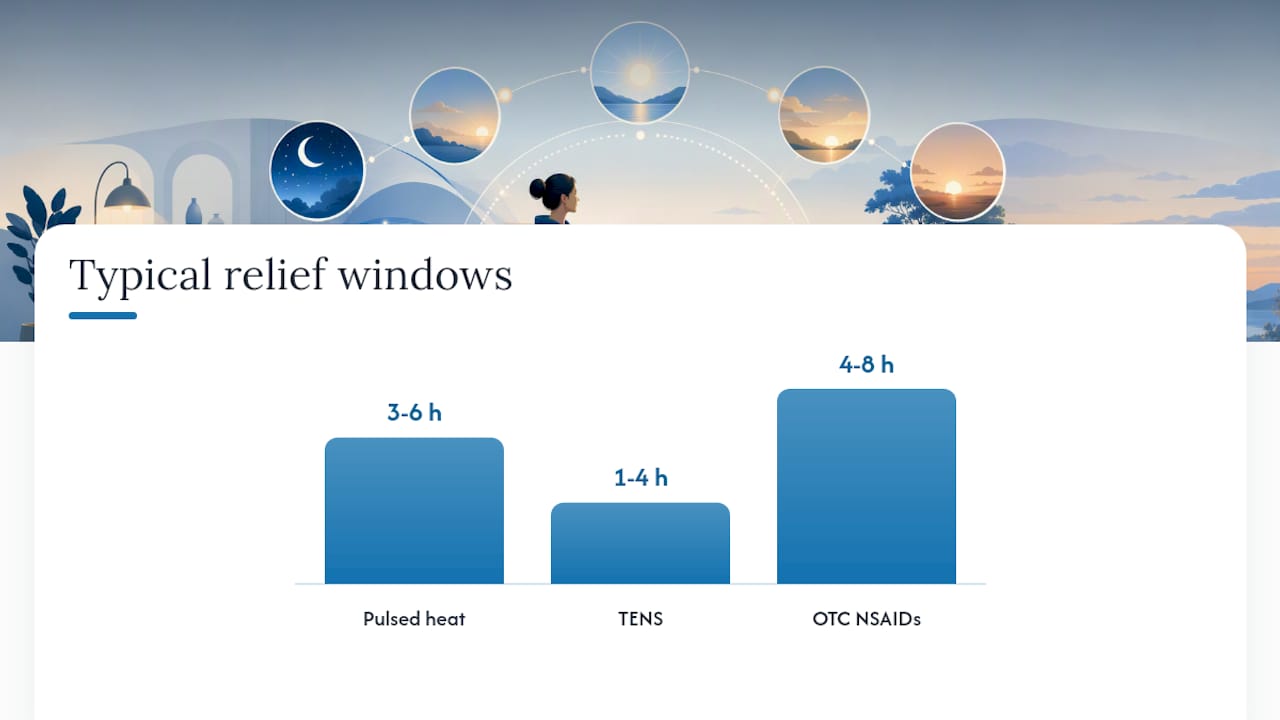
| Method | Key evidence | Typical relief window |
|---|---|---|
| Pulsed/high-temp heat | 72% reported ≥3 hours per session (in-home trial, N=32) | 3–6 hours |
| TENS | Mixed; some trials show short-term pain and sleep benefits | 1–4 hours |
| Pressure-relief mattress | 63%–68% reduction in pain-related sleep disruption (10-week in-home study) | Ongoing nightly |
| OTC NSAIDs | Well-established short-term anti-inflammatory effect | 4–8 hours |
How to choose the right at-home pain-management product
Before you add anything to your cart, answer these four questions:
- What is the pain type? Muscle tension responds well to heat and percussion. Nerve-adjacent pain responds better to TENS. Joint pain often benefits most from topical analgesics and posture support.
- How long are you willing to use it per session? A percussion wand takes 5 minutes. A TENS unit takes 20–30 minutes. A posture brace is worn passively. Match the tool to your actual routine, not your ideal one.
- Does it have adjustable intensity or temperature? Fixed-intensity devices are harder to use safely and tend to get abandoned. Look for at least 3–5 intensity levels or a temperature range with a clear upper limit.
- What is the return policy and warranty? A buyer’s guide to home recovery solutions notes that durability, warranty coverage, and real-world usability matter far more than spec-sheet features. Aim for a minimum 30-day return window and a 1-year warranty on any powered device.
Quick shopping checklist:
- Confirm the device matches your specific pain location (back, neck, shoulder, knee)
- Check that intensity or temperature is adjustable
- Verify battery life or cord length fits your use location
- Read reviews specifically for portability claims if you plan to travel with it
- Confirm the return window before buying
Pro Tip: When reading online reviews, filter for “verified purchase” and sort by most recent. Look for reviewers who mention your specific use case (e.g., “lower back after sitting all day”) rather than general praise. Battery life claims in specs are almost always measured at the lowest intensity setting.
What to expect from each product type
Heat devices run from $15 for a basic electric pad to $150+ for a pulsed-heat device. Sessions last 15–20 minutes; relief typically extends 3–6 hours. Side effects: skin redness or mild burns if used on high heat too long. Do not use on numb skin.
TENS units cost $30–$120 for consumer-grade models. Sessions run 20–30 minutes. Relief is variable, 1–4 hours. Electrode pads are consumable and need replacing every 20–30 uses.
Percussion tools range from $40 to $200+. Sessions are short (5–10 minutes per area). Relief from muscle soreness typically lasts several hours. Avoid bony areas and the spine directly.
Posture supports cost $20–$80. Worn during activity or desk work, not continuously. Expect gradual improvement over days to weeks, not immediate pain relief.
Topical analgesics cost $8–$30 per tube. Apply 3–4 times daily to the affected area. Onset is 15–30 minutes; duration is 4–6 hours. Capsaicin products cause a warming sensation that some users find uncomfortable initially.
OTC oral analgesics are the lowest-cost option. Acetaminophen: 325–650 mg every 4–6 hours, not exceeding 3,000 mg/day for most adults. NSAIDs: follow label dosing; take with food to reduce stomach irritation.
Combining methods safely: Heat followed by a topical analgesic can amplify local relief, but apply the topical after the heat session ends, not during, to avoid skin irritation. TENS and oral medications can be used together safely for most people, but check with a pharmacist if you take blood thinners or anticonvulsants.
Improving sleep alongside pain relief often requires combining two or three approaches: a heat session before bed, a supportive pillow or sleep surface, and a consistent wind-down routine.
Safety rules and when to see a clinician
Device safety checklist:
- Check skin before and after every heat or TENS session for redness, blistering, or irritation
- Never use heat or TENS on broken skin, open wounds, or areas with reduced sensation
- Keep heat devices below 104°F (40°C) on sensitive skin; follow manufacturer temperature limits
- Do not use TENS units if you have a pacemaker, implanted defibrillator, or any implanted electrical device
- Avoid TENS over the abdomen during pregnancy
- Keep all electrical devices away from water
OTC medication limits:
- Acetaminophen: exceeding 3,000–4,000 mg/day risks liver damage, especially with alcohol use
- NSAIDs: long-term or high-dose use raises risk of stomach ulcers, kidney strain, and cardiovascular events
- Do not combine two NSAIDs (e.g., ibuprofen and naproxen) simultaneously
See a clinician promptly if you experience: new severe or sudden-onset pain, pain accompanied by numbness or weakness in a limb, unexplained fever alongside pain, signs of infection (warmth, swelling, redness around a joint), or pain that does not respond at all to home methods after 1–2 weeks. Johns Hopkins patient guidance emphasizes that accurate pain reporting and timely escalation are part of safe pain management, not a failure of it.
How Evergreenbliss approaches home pain management
Evergreenbliss carries the product categories this article covers: posture supports, percussion and massage devices, sleep aids, acupressure mats, and comfort-focused bedding accessories, all available with free shipping and easy returns.
Starter evening routine for reducing aches and improving sleep:
- A compact heat pad or pulsed-heat device applied to the back or neck for 15–20 minutes before bed
- An acupressure mat session (10–15 minutes) to release residual muscle tension
- A supportive sleep pillow or pressure-relief surface to maintain spinal alignment overnight
Browse the personal care and wellness gadgets collection to find these categories in one place, or explore the home fitness recovery equipment section for percussion tools and larger recovery devices.
The most underrated part of home pain management is what you measure
Most people buy a heat pad or a TENS unit, use it a few times, and then decide it “didn’t work” without ever tracking what changed. That is the real gap in how shoppers approach home pain control, and no amount of better product selection fixes it.
The evidence from in-home trials is persuasive precisely because it measured outcomes over weeks, not one session. The mattress studies ran 10 weeks. Sleep improvements from TENS, when they appear, tend to emerge after repeated use, not the first night.
The conventional advice is to “find what works for you,” which sounds reasonable but is actually useless without a method. A sharper approach: pick one primary tool, use it at the same time each day for two weeks, and track two numbers each morning: how many hours you slept and your pain level on waking. That is enough data to know whether the tool is earning its place in your routine.
Posture supports are chronically undervalued in this category. Most shoppers reach for a heat pad or a pill first, which addresses the symptom. A posture brace worn during the hours that cause the pain addresses the source. The two work better together than either does alone.
Evergreenbliss makes it easier to start
Sorting through dozens of product listings to find a heat device with real adjustability, a TENS unit with replaceable pads, and a posture brace that actually fits your frame takes more time than most people have. Evergreenbliss curates exactly these categories, ships free, and accepts returns without friction.
The wellness and recovery collection at Evergreenbliss covers every product type this article recommends: pulsed-heat devices, percussion wands, acupressure mats, posture supports, and sleep comfort accessories. If you are starting from scratch, the evening routine above (heat + acupressure + supportive pillow) is a practical $60–$120 entry point that addresses both aches and sleep in one go. Browse the collection and check what fits your routine today.
This article is general information, not a substitute for advice from a qualified doctor. Consult a qualified healthcare professional about your own circumstances before acting on anything here.
Sources
- The Effectiveness of Thermal Neuromodulation Using Precise Heat in the Treatment of Chronic Low Back Pain Over 60 Days: An In-Home User Trial - PMC
- Pain management overview and multimodal approaches - Cleveland Clinic
- Patient guidance on managing pain and comfort (includes sleep and comfort items) - Johns Hopkins Medicine
- Smart homes to support pain management research and monitoring - JMIR
- Independent studies show Purple mattresses reduce pain-related sleep disruptions (press release)