Yes, massage can help many people with tension-type headaches, and you can start in the next sixty seconds. Press two fingers into the hollows at the base of your skull and hold steady pressure for 30 seconds while you breathe slowly. Then sweep your fingertips from your temples back over your scalp in small circles. Stop either move if pain sharpens or spreads, and see a clinician for any new, severe, or neurological symptoms.
TL;DR:
- Massaging the muscles in the neck, jaw, and scalp provides more durable headache relief than scalp massage alone, especially when including the shoulder-neck chain.
- Targeting trigger points at key spots like GB20, temporalis, SCM, and upper trapezius has been shown to reduce headache frequency and improve pain thresholds in clinical trials.
- Consistent, daily short sessions focusing on the neck and head muscles are more effective for prevention than infrequent, intense massage practices.
- Avoid massage if pain worsens, spreads, or is accompanied by neurological symptoms, recent trauma, or uncontrolled health conditions, and always start with gentle contact.
- Using tools like heated neck massagers, massage balls, and foam rollers can support regular self-massage routines and enhance headache management.
Table of Contents
- How Massage for Tension Headaches Actually Relieves Pain
- Where Are the Best Pressure Points for Headache Relief?
- What Does the Research Say About Massage for Headaches?
- When Should You Skip Massage and See a Doctor?
- How Often Should You Massage to Prevent Headaches?
- Which Types of Professional Massage Help Tension Headaches Most?
- Why Massage Works When Other Fixes Fall Short
- Why We Built Our Approach Around Daily Practice, Not Quick Fixes
- Which Evergreenbliss Tools Fit Into a Headache Relief Routine?
- Sources
How Massage for Tension Headaches Actually Relieves Pain
Tension headaches usually start in the muscles, not the brain. Tight bands in the neck, jaw, and scalp refer pain upward, which is why massage aimed at those muscles works better than rubbing your forehead alone. Before you touch a single pressure point, set the stage: sit in a supported chair, take a few slow diaphragmatic breaths, and drink some water. Dehydrated muscle tissue tends to guard and cramp, which makes any massage feel harsher than it needs to.
Warm up with light strokes down the neck and shoulders for about a minute. This isn’t optional fluff. Cold, unprepared muscle resists pressure and can trigger the exact protective spasm you’re trying to release.
- Suboccipital release. Interlace your fingers behind your head and let your thumbs find the two soft hollows where your skull meets your neck. Apply steady upward pressure, not digging pressure, and hold 30 to 60 seconds. Repeat two or three times, letting your head rest into your hands between holds.
- Upper trapezius knead. Reach across your body with the opposite hand and squeeze the meaty ridge of muscle between your neck and shoulder. Use a slow kneading motion, like working dough, for 20 to 30 seconds per side. Skip this if the area is already inflamed or hot to the touch.
- Scalp sweep and temple circulars. Use your fingertips to make small circles at your temples, then walk them back over your scalp toward the crown. This targets the temporalis muscle, a common contributor to band-like headache pain.
- Jaw and masseter release. If pressure sits behind your eyes or along your cheekbones, place two fingers on the muscle that bulges when you clench your teeth and press gently in small circles for 20 seconds.
Every one of these should feel like firm, sustained contact, never sharp digging. Practitioner guidance on gentle sustained contact for the suboccipitals warns that aggressive pressure on the neck can trigger the very protective spasming you’re trying to avoid.
Pro Tip: If a spot feels like a tight knot, hold gentle pressure without increasing it and wait for the muscle to soften on its own, usually 20 to 40 seconds. Chasing the pain with more force almost always backfires.
Where Are the Best Pressure Points for Headache Relief?
Certain spots show up again and again in tension headache massage protocols because they sit directly over the muscles that refer pain into the head. Trigger point mapping tied to trapezius, suboccipital, sternocleidomastoid (SCM), temporalis, and masseter muscle chains-323.pdf) shows that working this full chain, not just the scalp, tends to produce more durable relief.
- GB20 (base of skull hollows): Thumb pressure angled slightly upward and inward, held steady. Best for headaches centered at the back of the skull or base of the neck.
- Taiyang (temples) and temporalis: Small, slow circles with two fingers. Targets temple pain and headaches linked to jaw clenching.
- GV24.5 (between the eyebrows): Gentle, steady press with one fingertip. Helpful for frontal pressure and sinus-adjacent tightness.
- SCM (side of neck) and masseter: Use a light pinch or gentle compression rather than deep digging. Referred pain from these muscles often shows up behind the eye or along the jawline.
- Upper trapezius and suboccipitals: This shoulder-neck chain is frequently the true source of “head” pain, so working it directly often reduces referred symptoms faster than massaging the scalp alone.
What Does the Research Say About Massage for Headaches?
The clinical picture is encouraging but not absolute. A randomized, placebo-controlled trial of 56 patients found that trigger-point-focused head and neck massage reduced headache frequency (P=0.026) and improved pressure-pain thresholds, with patients reporting significantly greater perceived improvement than the placebo group (P=0.002). Some objective measures still responded to placebo, so effect sizes deserve a cautious read rather than a triumphant one.
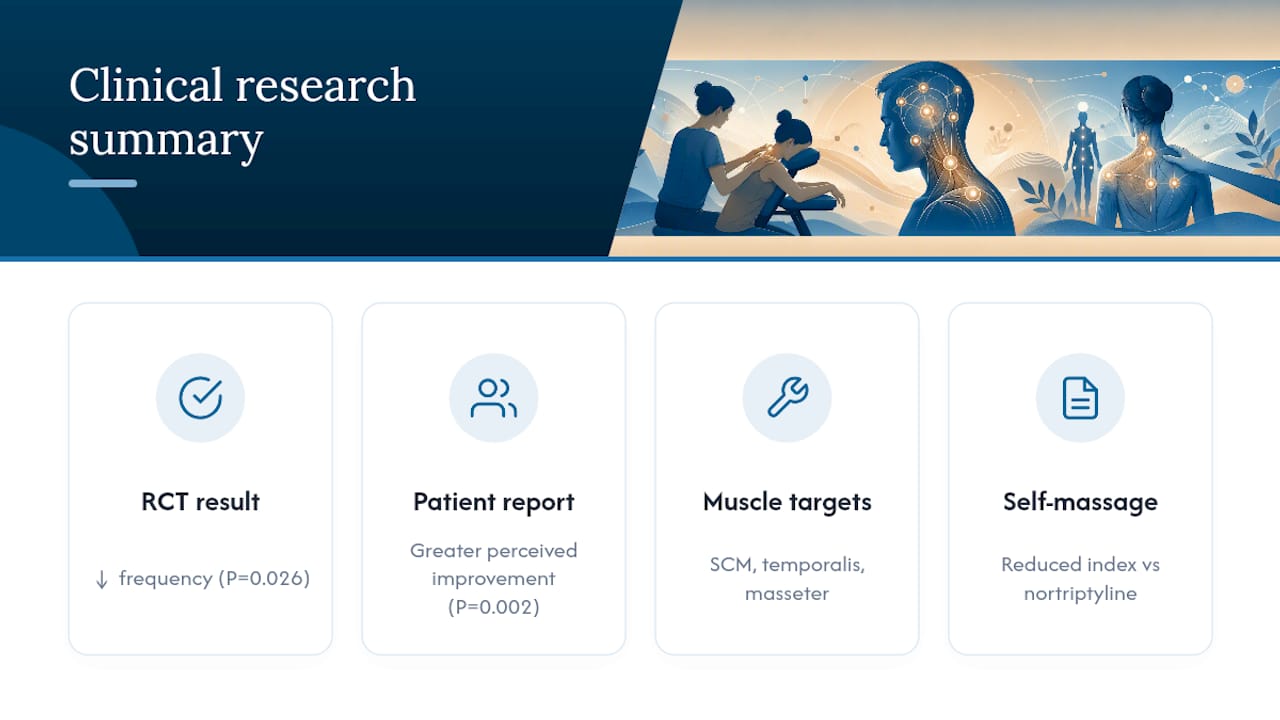
Case-series data suggests that protocols including the anterior neck and jaw muscles, specifically the SCM, temporalis, and masseter, tend to produce greater reductions in headache frequency and disability than protocols that stick to the scalp and shoulders. A separate short trial found that self-massage performed at several points multiple times daily reduced headache index and cut analgesic use more than a course of nortriptyline over the same period, based on the Neurology-Asia summary of that comparison.
The mechanism lines up with the results. Massage relaxes tight muscle fibers and improves local blood flow, which raises tissue oxygenation and helps clear the metabolic buildup tied to chronic muscle tension, according to expert explanations of the process. Translation: expect modest to moderate relief, not a cure, and expect it to depend heavily on how consistently and correctly you apply pressure.
When Should You Skip Massage and See a Doctor?
Most tension headaches respond safely to careful self-massage, but a handful of situations call for restraint instead of pressure.
- Stop immediately if pain sharpens, spreads, or comes with numbness, weakness, vision changes, fever, or vomiting; these are not typical tension headache symptoms.
- Avoid massage after recent neck trauma, with a suspected fracture, during active infection, or with uncontrolled high blood pressure or known vascular disease until a clinician clears you.
- If you’re pregnant, use lighter pressure, avoid straining in a flat-back position, and check with your doctor if severe headaches persist.
- Always test a small area with gentle contact before committing to a full protocol, and never apply vigorous deep pressure to the front of the neck.
How Often Should You Massage to Prevent Headaches?
Consistency beats intensity here. Daily short sessions build cumulative benefit in a way that one long, aggressive session never will, and research on self-massage frequency backs a routine of frequent, shorter contact over sporadic heavy sessions.
- Daily micro-sessions. Spend 5 to 15 minutes most days working the suboccipital, trapezius, and temple points, even on headache-free days.
- Posture checks. Set a reminder every hour to reset your shoulders and stop craning your neck toward a screen, which loads the exact muscles you’re trying to release.
- Foundational habits. Prioritize hydration, consistent sleep timing, and basic stress management since all three directly affect how tight your neck and jaw muscles stay.
- Tool-assisted sessions. A manual massage ball or a heated neck massager can extend your manual work, but stick to the manufacturer’s session limits and never crank intensity past what feels comfortable.
Which Types of Professional Massage Help Tension Headaches Most?
Self-massage handles a lot, but recurring or stubborn headaches often benefit from professional hands. Swedish massage uses long, flowing strokes that lower overall muscle tone and calm the nervous system, which helps when stress is the main driver behind your headaches. Deep tissue work targets the deeper trapezius and suboccipital layers that self-massage struggles to reach, useful for chronic, high-tension cases. Trigger point therapy is the most targeted option, applying sustained pressure to the specific knots feeding your headache pattern, and it’s the style most closely tied to the clinical trial data above.
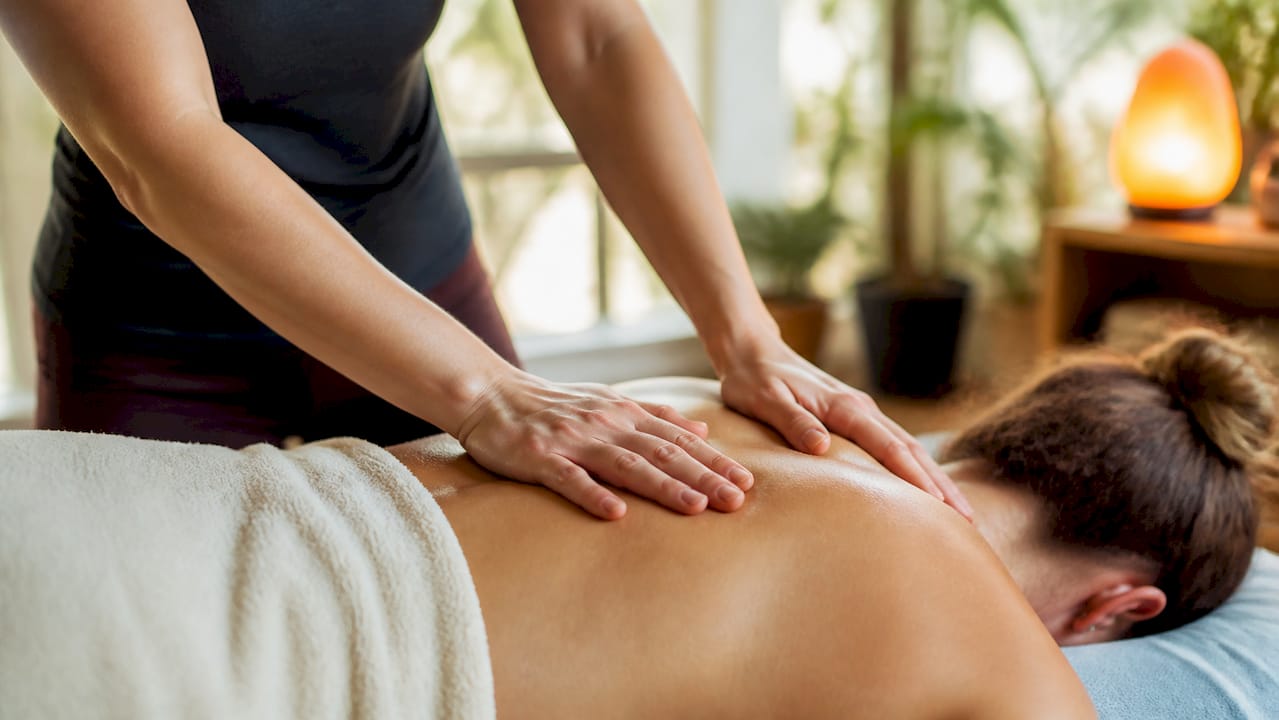
Choosing a therapist matters as much as choosing a technique. Look for someone licensed in your state with specific experience treating tension-type headaches, not just general relaxation massage, and ask directly whether they work the neck, jaw, and scalp as a connected chain. A practice like Intuitive Balance Massage, which focuses on neck and shoulder tension specifically, illustrates the kind of clinical specialization worth seeking out over a generic spa menu. A good first session should include questions about your headache pattern, posture, and daily habits, not just a standard full-body routine.
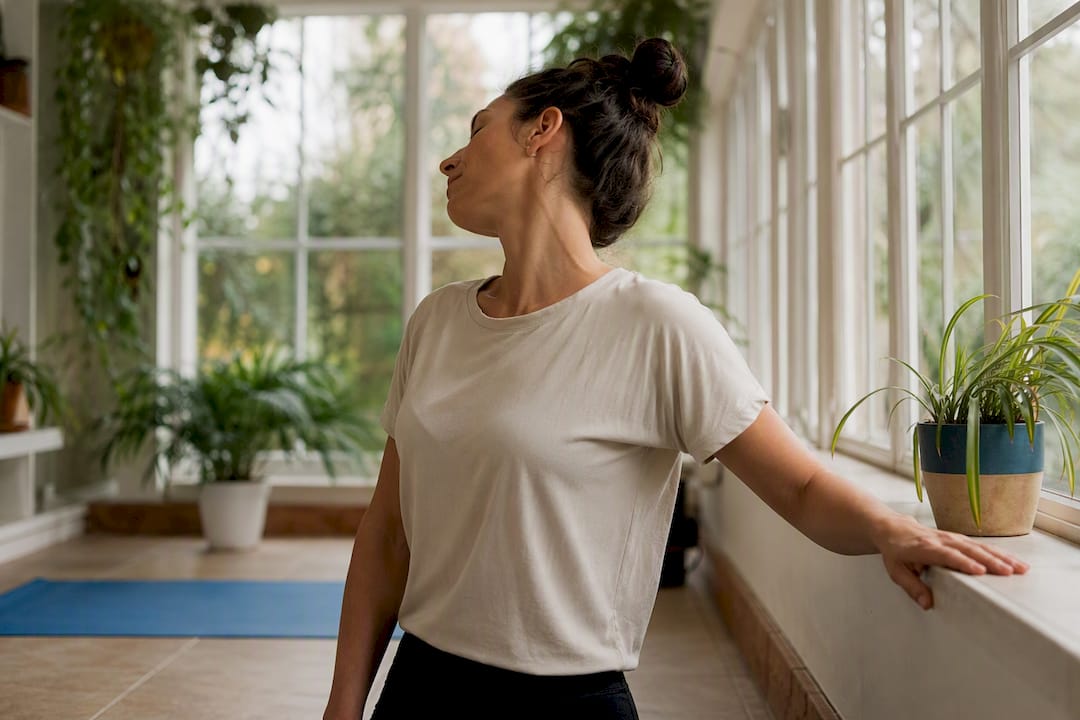
Stretching your neck and upper back daily, correcting slouched desk posture, and staying hydrated all support whatever massage work you do, whether self-administered or professional. None of these replace massage, but skipping them undercuts its effects.
Why Massage Works When Other Fixes Fall Short
Muscle tension builds gradually, from hours hunched over a screen to stress you’re not consciously registering, so it makes sense that a mechanical fix like massage often outperforms a pill for prevention. Massage doesn’t just numb pain the way medication does. It physically lengthens shortened muscle fibers and pushes blood back into tissue that’s been starved of it, which is why the trial data on reduced analgesic use matters as much as the pain scores themselves. Fewer pills needed is a real outcome, not a side note.
The clinical evidence also points to something practical: treating the neck and jaw alongside the head, rather than just rubbing your temples, appears to matter more than which exact technique you use. That’s a useful correction to the common assumption that tension headaches live entirely above the eyebrows. Most of the muscle chain responsible sits lower, in the trapezius, SCM, and suboccipitals, which is also why massage that ignores the shoulders tends to underperform. Following ischemic compression with slow, passive range-of-motion work also helps avoid the kickback pain that rushed deep pressure can trigger.
Why We Built Our Approach Around Daily Practice, Not Quick Fixes
Evergreenbliss focuses on tools that support the habits proven to work, not shortcuts that replace them. The clinical pattern is consistent: short, frequent, technique-correct sessions beat sporadic intense ones, so any product should extend good self-massage rather than substitute for it. That’s the standard we hold every recovery tool to.
— Cadence
Which Evergreenbliss Tools Fit Into a Headache Relief Routine?
If manual technique is the foundation, a few tools make it easier to keep the routine going on the days your hands get tired or your schedule gets tight. Evergreenbliss carries a small set of adjuncts built for exactly the muscle groups covered above, not generic relaxation gadgets.

The neck massager with a soothing heating mode is worth reaching for after a manual suboccipital and trapezius release, since 10 to 15 minutes of heat helps sustain the reduced muscle tone you just worked to create. For scalp and temporalis work where your fingers tire out fast, a palm sleep massager or a set of manual massage balls gives you consistent pressure without the hand fatigue. Before tackling the upper trapezius directly, rolling out the upper back and shoulders with a foam roller loosens the surrounding tissue and makes the trigger point work more effective. Whatever you use, follow the device’s session guidance, keep intensity moderate, and never attempt jaw or intra-oral work without direct supervision. Browse the full personal care and hygiene gadgets collection to find the combination that fits your routine, and start with one tool this week rather than overhauling everything at once.
This article is general information, not a substitute for advice from a qualified doctor. Consult a qualified healthcare professional about your own circumstances before acting on anything here.
Sources
- Myofascial trigger point-focused head and neck massage for recurrent tension-type headache: a randomized, placebo-controlled clinical trial
- Case series on inclusion of anterior neck, jaw, and cranial muscles in CTTH massage protocols
- Best neck massagers (expert quotes on mechanism)