Many popular stress-relief claims are incomplete or outright misleading. The real goal is not eliminating stress but building resilience and recovery capacity. Dr. Helena Kim at Cambridge Judge Business School makes this case directly, and research from Simply Psychology confirms that no single tool works for everyone. Evergreenbliss curates products with that reality in mind: tools that address physiological symptoms as part of a broader plan, not as standalone cures.
Here are the myths worth dropping immediately:
- Stress must be eliminated completely
- Stress is only mental, not physical
- Retail therapy or quick distractions fix long-term stress
- One technique solves chronic stress
- More sleep aids automatically fix stress-related sleep problems
- Multitasking or powering through reduces stress
Table of Contents
- 1. You should (and can) eliminate stress completely
- 2. Stress is only in your head, not your body
- 3. Retail therapy and quick distractions fix long-term stress
- 4. One quick technique solves chronic stress
- 5. More sleep aids or supplements automatically fix stress-related sleep problems
- 6. Multitasking or powering through reduces stress
- How to use physical wellness products the right way
- What to look for when choosing stress-relief products
- A quick 5-step plan to replace myth-driven habits
- Key Takeaways
- A note on evidence and product recommendations
- Sources and further reading
1. You should (and can) eliminate stress completely
Stress cannot be eliminated, and trying to do so is counterproductive. Cambridge JBS notes that a huge volume of books on stress exist, yet the goal of all that advice is often misread as achieving a stress-free life. The actual target is increasing your capacity to recover.
Eustress, the mild pressure you feel before a presentation or a workout, sharpens focus and drives performance. The problem is chronic, unmanaged stress, not stress itself. Cognitive reappraisal — consciously reframing a threat as a challenge — is one of the most evidence-supported tools for this. Mindfulness-Based Stress Reduction (MBSR) also has strong randomized controlled trial support for reducing perceived stress and cortisol levels.
Pro Tip: When a small stressor hits, pause and ask: “Is this a threat or a challenge?” That single reframe, practiced daily, is micro-reappraisal in action. It costs nothing and takes under ten seconds.
2. Stress is only in your head, not your body
Stress is as physical as it is mental. Simply Psychology’s research links stress directly to muscle aches, digestive disruption, and cardiovascular risk. Dr. John Mayer, cited in The Healthy, puts it plainly: stress has caused sore throats, ringing ears, dizziness, and nervous shakes in patients who would never have connected those symptoms to their mental state.
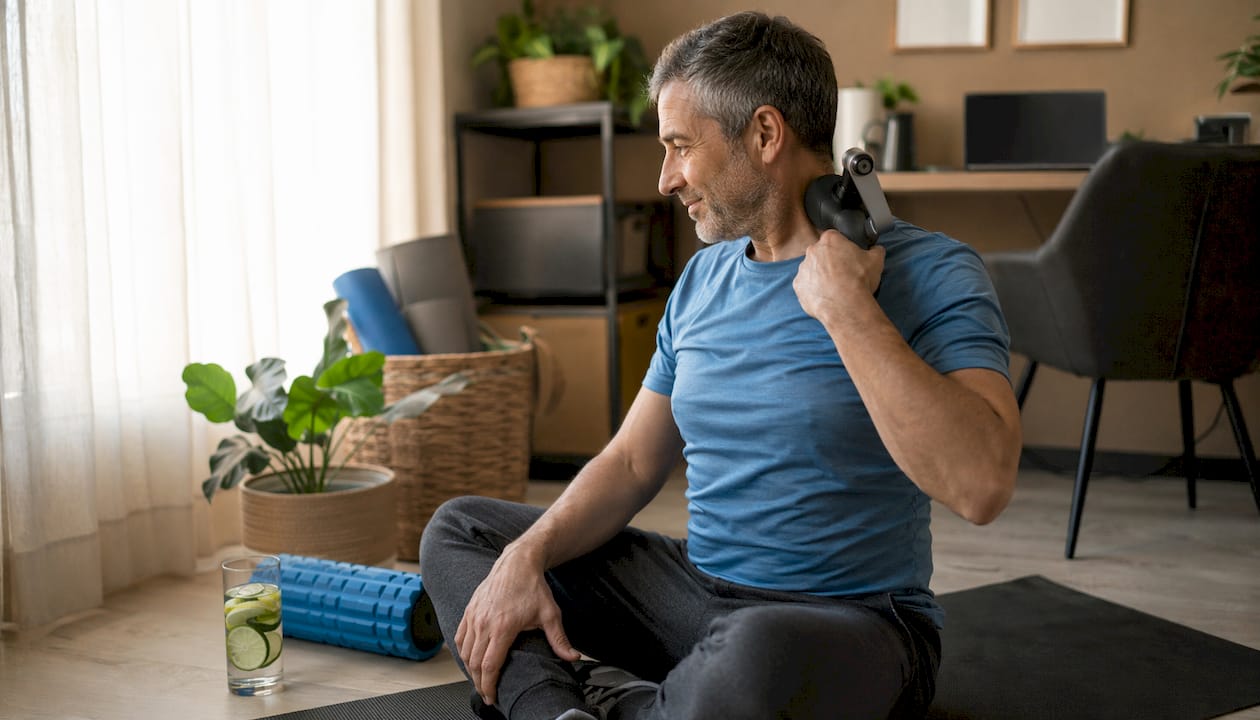
This is exactly why physical wellness products have a legitimate role. Massage devices, acupressure mats, and breathing tools target the physiological symptoms that cognitive work alone cannot fully address. The catch: they work best when paired with cognitive strategies, not used in isolation.
| Physical symptom | Body-focused tool | Pair it with |
|---|---|---|
| Muscle tension | Neck massager, acupressure mat | 5-min breathing protocol |
| Elevated heart rate | Paced breathing device | Cognitive reappraisal |
| Poor digestion | Gentle movement, heat therapy | Stress journaling |
| Sleep disruption | Sleep aid device | Consistent sleep schedule |
A 20-minute walk produces measurable cortisol reduction acutely, and consistent aerobic exercise over weeks actually changes how the brain responds to stress. Pair that walk with a five-minute breathing session and you are addressing both the mental and physical pathways at once.
3. Retail therapy and quick distractions fix long-term stress
A shopping trip can restore a momentary sense of control, but retail therapy often creates new stressors like financial strain or guilt that compound the original problem. Distraction works the same way: it delays processing without reducing baseline stress.
Physical catharsis, like hitting a pillow, tends to backfire too. Research shows it increases arousal and aggression rather than releasing tension. Cognitive processing — talking it through, structured writing, or therapy — produces better outcomes.
Sustainable alternatives that actually move the needle:
- Social connection: Consistent contact with people you trust reduces cortisol more reliably than solo distraction.
- Routine-based small wins: Completing a predictable daily habit (a short walk, a timed journaling session) builds a sense of agency without the financial risk.
- Budgeting guardrail: Set a fixed monthly “comfort spending” amount. When it’s gone, it’s gone. This keeps intentional self-care purchases from becoming a stress source of their own.
Self-care marketed as universal rarely works because effective self-care is individualized. What calms one person overstimulates another.
4. One quick technique solves chronic stress
Breathing exercises, a single workout, or a supplement dose can all provide real acute relief. None of them fix chronic stress alone. Acute techniques work in minutes; structural change requires weeks of consistent practice or removing the chronic stressor at its source.
A realistic toolkit looks like this:
- For immediate relief (minutes): Physiological sighs (double inhale through the nose, long exhale through the mouth) reduce physiological arousal fast. Grounding exercises work similarly.
- For medium-term support (days to weeks): L-theanine and ashwagandha have modest evidence for reducing perceived stress and anxiety, but neither replaces behavioral change.
- For long-term resilience (weeks to months): MBSR, consistent aerobic exercise, and cognitive behavioral therapy (CBT) have the strongest evidence base.
- When to escalate: If stress is interfering with work, relationships, or sleep for more than two to three weeks despite self-care efforts, consult a mental health professional. Chronic stress is not a willpower problem.
For a ranked breakdown of which techniques hold up under scrutiny, the stress relief techniques guide at Evergreenbliss is a useful starting point.
5. More sleep aids or supplements automatically fix stress-related sleep problems
Sleep aids and supplements address symptoms. They do not fix the structural causes of stress-driven sleep disruption. Dependency is a real risk with some aids, and masking poor sleep hygiene with supplements delays the changes that actually help.
Ashwagandha and L-theanine show modest benefits in trials, but “modest” is the operative word. They are adjuncts, not solutions. For a broader look at relaxation techniques that complement supplement use, the evidence points consistently toward combining behavioral and product-based approaches.
A sleep-hygiene checklist worth trying tonight:
- Keep wake time consistent, even on weekends
- Drop room temperature to 65–68°F
- No screens 30 minutes before bed
- Use a wind-down cue (dim lights, a brief body scan)
- Reserve the bed for sleep only
Before adding any supplement, check for interactions with current medications and confirm dosing with a healthcare provider. Evergreenbliss’s sleep and relaxation aids collection lists products with usage guidance built in.
6. Multitasking or powering through reduces stress
Multitasking increases cognitive load and degrades performance over time. The feeling of productivity it creates is largely illusory. Sustained task-switching keeps the nervous system in a low-grade alert state, which compounds stress rather than burning it off.
Practical daily alternatives:
- Single-task sprints: Work in 25-minute focused blocks with a five-minute break (the Pomodoro method is one structured version).
- Scheduled recovery windows: Block two or three short breaks into your calendar as non-negotiable. A timed neck massager session or a brief walk counts.
- Micro-break strategy: A two-minute body scan or a few rounds of paced breathing between tasks resets the nervous system without requiring a full break.
Wearable reminders and vibration-based devices can cue these breaks without requiring willpower. The role of touch in stress relief explains why even brief tactile interventions during the workday produce measurable physiological change.
How to use physical wellness products the right way
Treat products as adjuncts that address physiological symptoms while you work on underlying causes. A massage device used after a stressful meeting without any cognitive processing is a temporary fix. The same device used as part of a deliberate wind-down routine, paired with breathing or journaling, compounds its effect.
Pairing examples:
- Breathing device + cognitive reappraisal: addresses both arousal and the thought pattern driving it
- Massage device + mobility routine: reduces muscle tension and signals the nervous system to downshift
- Supplement + consistent sleep schedule: the supplement supports the habit; the habit does the real work
Safety checklist before using any product:
- Check contraindications (pacemakers, pregnancy, skin conditions for heat/vibration devices)
- Follow session-length guidelines; more is not always better
- Verify supplement dosing with a provider if you take other medications
- Look for realistic marketing language, not “cure-all” claims
The sensory relaxation tools guide at Evergreenbliss covers specific product categories with usage context.
What to look for when choosing stress-relief products
Red flags to avoid:
- “Clinically proven” with no cited trial or study
- Claims to eliminate stress or anxiety permanently
- No usage instructions or contraindication warnings
- Pressure tactics (countdown timers, “only 2 left”)
Questions worth asking before you buy:
- Does this product address a specific symptom, or is it marketed as a cure-all?
- Is there a return policy if it doesn’t work for you?
- Has it been third-party tested (especially for supplements)?
- Does the brand provide dosing or session-length guidance?
The stress-relief gadgets buyer’s guide at Evergreenbliss applies these criteria across product categories.
A quick 5-step plan to replace myth-driven habits
- Assess (Week 1): Track your three biggest stress triggers and your current go-to responses. Note which are quick fixes and which address root causes.
- Insert one habit (Week 2): Add a single evidence-backed practice — a daily 20-minute walk, a five-minute breathing session, or a consistent sleep schedule. One change, not five.
- Pair a product (Week 2–3): Choose one physical tool that targets your dominant symptom (muscle tension, poor sleep, elevated heart rate) and pair it with the habit from Step 2.
- Review (Week 4): Check whether your dominant symptoms have shifted. If not, adjust the habit or the pairing before adding anything new. Wellness habits form through repetition and small wins, not volume.
- Escalate if needed: If symptoms persist or worsen after four weeks of consistent effort, consult a mental health professional. Chronic stress is a clinical issue, not a product problem.
Key Takeaways
Resilience and recovery, not the absence of stress, are the measurable goals of any effective stress management plan.
| Point | Details |
|---|---|
| Resilience over elimination | The goal is recovery capacity, not a stress-free life — accept what you can’t control. |
| Stress is physical too | Muscle tension, digestion, and cardiovascular markers are all stress symptoms that body-focused tools can address. |
| Products are adjuncts | Massage devices, supplements, and sleep aids work best paired with cognitive and lifestyle strategies. |
| Quick fixes have limits | Acute techniques help in minutes; lasting change requires weeks of consistent practice or removing the stressor. |
| Watch the marketing | Avoid products claiming to cure or eliminate stress; look for realistic claims, usage guidance, and return policies. |
A note on evidence and product recommendations
The stress-relief space is crowded with confident claims and thin evidence. What stands out, after reviewing the research from Cambridge JBS, Simply Psychology, and clinical practitioners like Dr. John Mayer, is how consistently the evidence points away from single-solution thinking. Stress is idiosyncratic, physical, and chronic in ways that no one product or technique fully addresses alone.
The practical implication for anyone shopping for wellness products is straightforward: buy tools that target specific symptoms, pair them with behavioral work, and ignore any brand that promises more than symptom relief. Evergreenbliss takes that position seriously in how it curates its mental wellness and stress-relief collection, focusing on products with clear use cases and realistic claims rather than cure-all marketing.
The myths covered here are not obscure. They are the default assumptions most people carry into a wellness purchase. Dropping them is the first practical step toward spending money on tools that actually help.
Sources and further reading
- Disarming myths about stress — Cambridge Judge Business School: Dr. Helena Kim’s evidence-based case for resilience over elimination; best for Myths 1 and 4.
- The Science of Stress Management: What Actually Works — Simply Psychology: Covers physiological pathways, MBSR evidence, breathing techniques, and exercise data; foundational for Myths 2, 4, and the product-use section.
- Top five misleading stress-relief myths debunked — Newsbytes: Practical lifestyle framing on retail therapy and distraction; useful for Myth 3.
- 5 Stress Myths Debunked by Health Professionals — UDS Pulse: Health professional perspectives on individualized self-care; supports Myths 3 and 5.
- The Biggest Stress Management Myths — Progress Wellness, LLC: Broad myth-busting from a clinical wellness perspective; useful background for the buying guide.
- Evergreenbliss Blog — Stress Relief Techniques Ranked: Practical product-aware ranking of techniques; pairs well with Myth 4 and the 5-step plan.
This article is general wellness information, not medical or psychological advice. Confirm any supplement use or treatment approach with a qualified healthcare provider for your specific situation.
Recommended
- Best Relaxation Products for High-Stress Lifestyles | Evergreen Bliss
- The Role of Touch in Stress Relief: Science and Practice | Evergreen Bliss
- Stress Relief Techniques Ranked by Effectiveness | Evergreen Bliss
- How Routine Reduces Stress: a Practical Daily Guide | Evergreen Bliss
Sources and further reading
- Relaxation Techniques: What You Need To Know – National Center for Complementary and Integrative Health (NIH)
- Relaxation techniques: Try these steps to lower stress – Mayo Clinic