Sensory relaxation tools are items or techniques designed to intentionally engage one or more of the five senses to calm the nervous system and reduce stress. These tools range from no-equipment grounding exercises like the 5-4-3-2-1 technique to technology-driven solutions like VR sensory rooms and noise-canceling headphones. The best examples of sensory relaxation tools work because they give your nervous system something concrete to process, pulling attention away from anxiety and toward the present moment. Sight, sound, touch, smell, and taste each offer a distinct pathway to calm, and the most effective approach combines tools matched to your personal sensory preferences.
1. Visual grounding tools for sight-based relaxation
Visual sensory tools work by giving your eyes a calming focal point, which interrupts anxiety loops and activates the parasympathetic nervous system. The principle is straightforward: when your visual attention is anchored to something slow, soft, or rhythmic, your brain shifts out of threat-detection mode.
The most effective sight-based tools include:
- Bubble tubes: Floor-to-ceiling acrylic columns filled with colored, rising bubbles. These are standard fixtures in clinical sensory rooms and produce a hypnotic, low-stimulation visual effect.
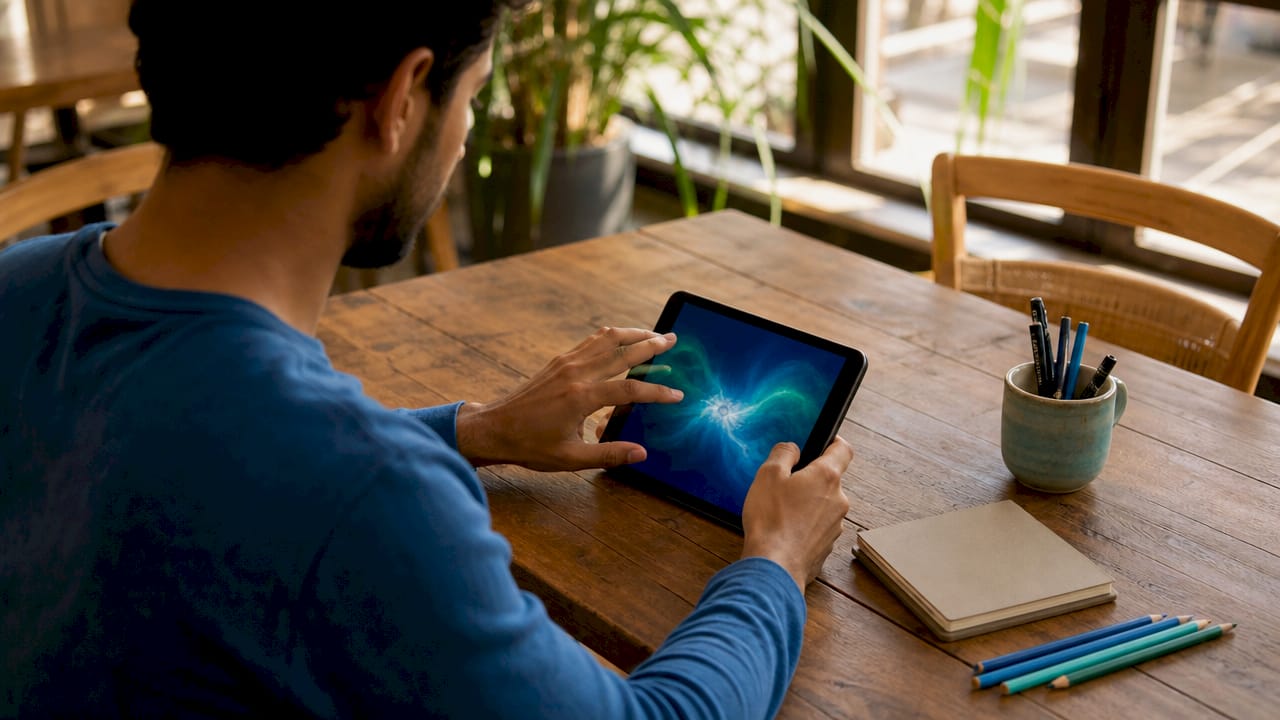
- Nature-inspired slow-motion videos: Footage of forests, rain, or ocean waves played on a large screen or tablet. Studies on nature exposure consistently link this type of visual input to reduced cortisol.
- VR sensory rooms: Apps like Waven place you inside immersive visual environments you can customize by color palette and movement speed.
- Visual fidget tools: Liquid motion bubblers and glitter jars redirect restless visual attention without requiring screens.
- Color identification exercises: Scanning a room and naming every object of a specific color is a zero-cost visual grounding technique that takes under two minutes.
Pro Tip: When using digital visual tools, lower the brightness and choose cooler color palettes like blue and green. High-contrast or warm-toned visuals can increase alertness rather than reduce it.
2. Auditory tools that reduce noise stress
Sound is one of the fastest sensory pathways to the nervous system, which makes auditory tools among the most powerful types of relaxation tools available. The key is managing frequency, not just volume.
Specialized silicone ear inserts like Calmer reduce ear resonance at 2-8 kHz, the frequency range most associated with stress responses, without muffling the sounds around you. This is a meaningful distinction from standard earplugs, which create a sense of isolation that some people find more anxiety-provoking. Calmer preserves hearing clarity while removing the sharpest edges of environmental noise.
Beyond ear inserts, the most effective auditory sensory relaxation techniques include:
- White noise machines: Devices like the LectroFan or Marpac Dohm produce consistent broadband sound that masks unpredictable environmental noise.
- Noise-canceling headphones: Brands like Sony and Bose offer active noise cancellation that reduces low-frequency ambient sound, ideal for open offices or travel.
- Nature soundscapes: Rain, flowing water, and birdsong have documented calming effects and are available through apps like Calm and Insight Timer.
- Rhythmic ambient music: Slow, repetitive musical patterns at 60-80 beats per minute align with resting heart rate and support nervous system downregulation.
Pro Tip: Give ear-based devices like Calmer a 5-10 minute acclimation period before judging their effect. Your auditory system needs time to recalibrate before the stress-reduction benefit becomes noticeable.
3. Touch-focused tools for immediate calming
Tactile tools engage the sense of touch to produce rapid physiological calming, making them some of the best sensory calming tools for acute stress moments. Deep pressure stimulation, in particular, activates the body’s proprioceptive system and triggers a measurable reduction in heart rate and muscle tension.
The most widely used touch-based tools include:
- Weighted blankets: Typically 10-15% of body weight, these apply distributed deep pressure across the body, mimicking the calming effect of a firm hug.
- Stress balls: Repetitive squeezing engages the hand’s proprioceptors and provides an outlet for physical tension without requiring conscious effort.
- Fidget toys: Tools like Tangle toys, textured rings, and cube-style fidgets give restless hands a productive sensory focus.
- Textured panels and sensory walls: Common in occupational therapy settings, these panels offer varied surfaces including smooth, rough, ridged, and soft for deliberate tactile exploration.
- Foam rollers: Applying body weight to a massage foam roller delivers deep tissue pressure that releases muscle tension and supports physical grounding.
Choosing the right tactile tool depends on your sensitivity level. People who are tactile-sensitive often prefer smooth, consistent textures over rough or unpredictable ones. Those who are tactile-seeking tend to respond better to firm pressure and varied surfaces. Matching the tool to your sensory profile makes the difference between a tool that calms and one that irritates.
4. Smell and taste tools to activate calm
Olfactory and gustatory tools engage the limbic system directly, the brain region most closely tied to emotion and memory. This makes smell and taste among the most neurologically direct routes to relaxation available without a prescription.
Essential oils like lavender, mint, and eucalyptus trigger relaxation through limbic system stimulation, making aromatherapy one of the most evidence-supported sensory relaxation techniques in this category. Lavender specifically has been studied for its effect on anxiety reduction and sleep quality. Eucalyptus and peppermint tend to produce alerting-but-calming effects, useful when you need to stay focused while managing stress.
Common tools for smell and taste-based sensory relief include:
- Aromatherapy diffusers: Ultrasonic diffusers disperse essential oil molecules into the air for continuous ambient scent.
- Scented sachets and rollerballs: Portable options that deliver targeted scent without requiring electricity or a dedicated space.
- Herbal teas: The combination of warmth, scent, and taste in chamomile, peppermint, or lemon balm tea creates a multi-sensory calming ritual.
- Flavored gum and mints: Chewing activates the jaw’s proprioceptors while mint flavor engages taste receptors, creating a dual-sense grounding effect.
- Slow sipping exercises: Drinking a warm or cold beverage mindfully, focusing on temperature, flavor, and texture, is a zero-cost taste-based grounding technique.
Pro Tip: Keep a small rollerball of lavender or peppermint essential oil in your bag or desk drawer. A single application to the wrists or temples delivers on-the-go olfactory relief in under 30 seconds.
5. Digital and multi-sensory tools for deeper relaxation
Multi-sensory tools represent the most advanced category of tools for sensory relief, engaging sight, sound, and touch simultaneously to produce relaxation effects that single-sense tools cannot replicate. The underlying mechanism is reduced cognitive load: when multiple senses are engaged in a coordinated, calming input, the brain has less bandwidth for rumination.
Bilateral stimulation (BLS) fused with immersive digital environments creates a multi-sensory experience that more effectively supports relaxation than single-sense approaches. The Waven app, for example, delivers synchronized visual movement, spatial audio, and optional haptic feedback through VR hardware, removing the need for users to mentally coordinate relaxation elements themselves.
| Tool | Primary senses engaged | Key benefit |
|---|---|---|
| Waven VR app | Sight, sound, touch | Synchronized BLS for deep nervous system regulation |
| White noise machines | Sound | Masks unpredictable environmental noise |
| Weighted blankets | Touch | Deep pressure stimulation for immediate calm |
| Aromatherapy diffusers | Smell | Limbic system activation through continuous scent |
| Nature video displays | Sight | Low-stimulation visual anchoring |
Adjusting settings such as visual speed, color palette, and sound volume in digital sensory tools is the difference between nervous system regulation and sensory overload. Lowering intensity settings, rather than maximizing them, consistently produces deeper relaxation outcomes. This counterintuitive finding catches most first-time users off guard.
VR multi-sensory tools also benefit people who lack access to specialized therapy or clinical sensory rooms. A $20 app combined with an entry-level VR headset delivers an experience previously available only in occupational therapy clinics.
6. No-equipment sensory grounding techniques
Not every effective sensory tool requires a purchase. The 5-4-3-2-1 grounding technique is a primary sensory-based mindfulness exercise that takes as little as one to three minutes and requires nothing but attention. The method works by naming five things you can see, four you can touch, three you can hear, two you can smell, and one you can taste, systematically pulling awareness through all five senses.
This technique actively engages the parasympathetic nervous system, providing immediate relief from the physiological arousal that accompanies stress and anxiety. The reason it works is the same reason all sensory tools work: focusing on external physical reality interrupts intrusive thoughts and overrides the fight-or-flight response. No device required.
Other no-equipment sensory techniques worth practicing include cold water immersion for the hands or face, barefoot walking on grass or sand, and slow rhythmic breathing paired with tactile self-massage. These methods are particularly useful as a first response before reaching for a physical tool, and they reinforce the habit of deliberate sensory engagement that makes all other tools more effective over time.
Key takeaways
Sensory relaxation tools work by engaging specific senses to signal safety to the nervous system, and the most effective approach combines tools matched to your individual sensory profile.
| Point | Details |
|---|---|
| Match tools to your senses | Choose tools based on which sensory modality calms you most reliably, not which is most popular. |
| Start with no-equipment methods | The 5-4-3-2-1 technique costs nothing and activates the parasympathetic nervous system in under three minutes. |
| Allow acclimation time | Auditory tools like Calmer require 5-10 minutes before their stress-reduction effect becomes noticeable. |
| Lower intensity for deeper calm | Reducing visual speed and sound volume in digital tools produces better nervous system regulation than high settings. |
| Combine modalities strategically | Multi-sensory tools like VR bilateral stimulation outperform single-sense tools by reducing cognitive load and rumination. |
What I’ve learned from using sensory tools daily
Most people approach sensory relaxation tools the way they approach pain medication: they want immediate, total relief, and they abandon the tool when it doesn’t deliver in the first 60 seconds. That expectation is the single biggest barrier to getting real results.
What I’ve found is that the calibration phase matters more than the tool itself. A weighted blanket used distractedly while scrolling a phone delivers almost nothing. The same blanket used with focused attention on the pressure sensation for five minutes produces a measurable shift in tension. The tool is a vehicle. Your attention is the engine.
I’m also skeptical of the idea that one sensory modality works for everyone. Touch-based tools like deep sleep neck massagers are transformative for people who are tactile-seeking, and actively counterproductive for those who are tactile-sensitive. The honest advice is to experiment across all five senses before settling on a routine, because your nervous system’s preferences are specific to you.
The most underrated combination I’ve encountered is pairing a scent-based tool with slow breathing. Lavender diffused during a five-minute breathing session creates a conditioned association over time: the scent alone begins to trigger the relaxation response. That kind of neurological conditioning is what separates a tool you use occasionally from one that actually changes how your body handles stress.
— Cadence
Discover sensory relaxation products at Evergreenbliss
Evergreenbliss carries a curated selection of stress relief and calming tools designed to support nervous system regulation across multiple sensory modalities. From handheld massagers and sleep relaxation aids to personal care gadgets built for daily stress management, every product is selected with real-world usability in mind. If you’ve identified which sensory modality works best for you, the personal care and wellness collection at Evergreenbliss offers practical tools to build that practice at home. Free shipping and easy returns mean there’s no risk in finding what works for your body.
FAQ
What are the most common examples of sensory relaxation tools?
The most common sensory relaxation tools include weighted blankets, aromatherapy diffusers, white noise machines, stress balls, and visual grounding techniques like the 5-4-3-2-1 method. Each targets a different sense to activate the body’s parasympathetic nervous system.
How do sensory tools reduce stress?
Sensory tools signal safety to a nervous system in overdrive by providing deliberate, calming sensory input that overrides the fight-or-flight response. Focusing on external sensory reality interrupts anxious thought patterns and activates the body’s natural rest state.
How do I choose the right sensory tool for me?
Identify which sense you naturally turn to when stressed: some people pace or fidget (touch), others seek quiet (sound), and others reach for food or scent (taste and smell). Start with tools that match your instinctive response, then expand to multi-sensory options for deeper effect.
Can digital tools replace physical sensory tools?
Digital tools like VR bilateral stimulation apps complement physical tools rather than replace them. Multi-sensory digital environments decrease cognitive load and rumination effectively, but physical tools like weighted blankets and foam rollers deliver proprioceptive input that screens cannot replicate.
How long does it take for sensory tools to work?
Most sensory tools produce noticeable effects within 5-10 minutes of focused use. Auditory devices like Calmer require a short acclimation period, while techniques like the 5-4-3-2-1 grounding method can produce relief in as little as one to three minutes.
Recommended
- Mental Wellness & Stress-Relief: Explore Top Products | Evergreen Bliss
- Stress Relief Sleep Supplements | Evergreen Bliss
- Evergreen Bliss | Premium Wellness & Recovery Solutions | Evergreen Bliss
- Palm Sleep Massager - Enhance Relaxation & Sleep | Evergreen Bliss
Sources and further reading
- Relaxation Techniques: What You Need To Know – National Center for Complementary and Integrative Health (NIH)
- Effect of weighted blankets on sleep quality among adults with insomnia: a pilot randomized controlled trial – Pilot randomized controlled trial, via PubMed Central
- Relaxation techniques: Try these steps to lower stress – Mayo Clinic