Comfort tools are defined as sensory and emotional regulation devices that directly improve mood by calming the nervous system and reducing stress. The science behind why comfort tools improve mood is grounded in polyvagal theory, heart rate variability (HRV) research, and clinical trials on tactile stimulation. Nearly 70% of people report reduced stress when consistently using comfort tools in daily routines. That number reflects a measurable physiological shift, not a placebo effect. Whether you reach for a weighted blanket, a fidget tool, or a familiar scent, each of these items works through the same core mechanism: sensory input that tells your nervous system it is safe.
Why comfort tools improve mood through the nervous system
The most direct explanation for how comfort tools work is their effect on the autonomic nervous system. Polyvagal theory, developed by neuroscientist Stephen Porges, identifies the vagus nerve as the body’s primary stress regulator. Comfort tools activate the ventral vagal pathway, which signals safety and calm. That signal travels faster than conscious thought, which is why holding a familiar object can ease tension before you even realize you feel better.
Adults using tactile comfort objects during stress show measurably higher heart rate variability, a key indicator of physiological recovery. Higher HRV means your body is shifting out of fight-or-flight mode and into a state where clear thinking and emotional balance are possible. This is not a minor effect. HRV is the same metric cardiologists and sports scientists use to track recovery quality.
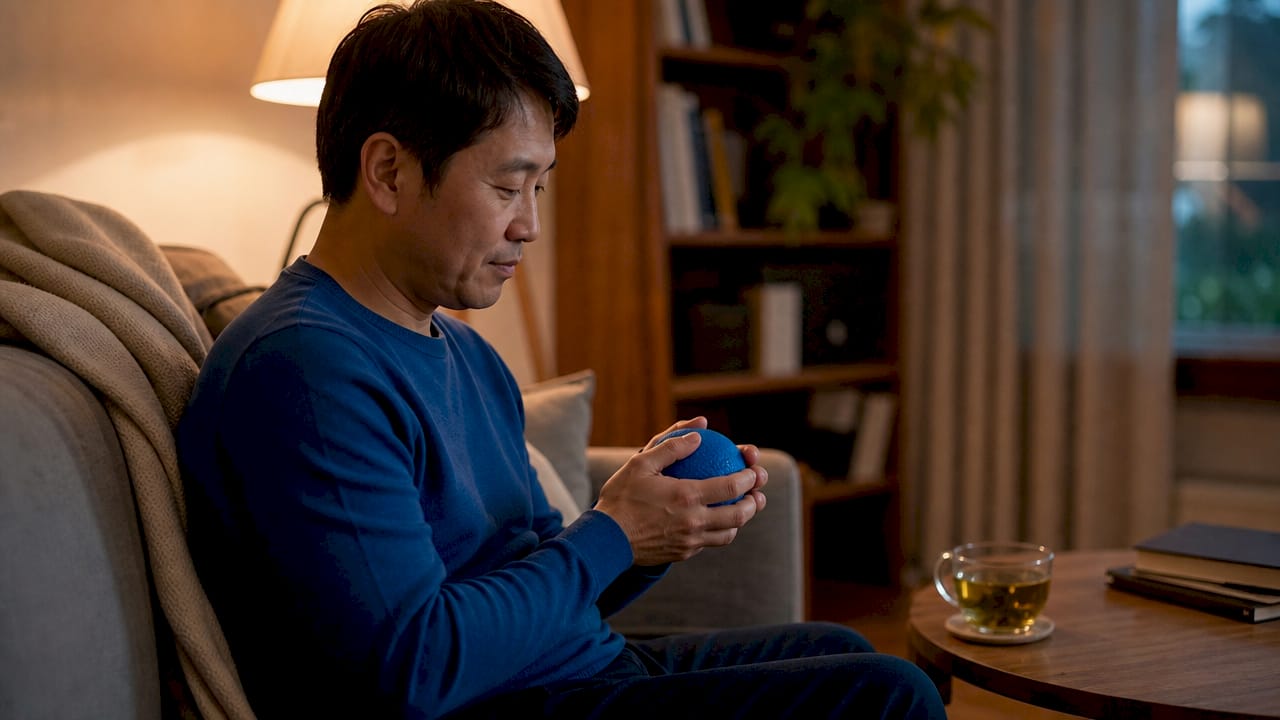
Comfort tools also provide cross-modal sensory consistency, which offloads the mental energy your brain normally spends monitoring your environment for threats. In a chaotic or stressful situation, your brain is constantly scanning for danger. A comfort tool gives it a reliable, familiar signal to anchor to, reducing that background scanning load significantly.
| Physiological Indicator | Without Comfort Tool | With Comfort Tool |
|---|---|---|
| Heart rate variability | Lower, indicating stress | Higher, indicating recovery |
| Cortisol response | Elevated during stress | Reduced with tactile input |
| Nervous system state | Sympathetic (fight-or-flight) | Parasympathetic (rest-and-digest) |
| Working memory capacity | Impaired by background tension | Preserved with sensory grounding |
Pro Tip: If you want to measure your own stress response, track your resting HRV using a wearable device before and after introducing a daily comfort tool. Most people see a shift within two weeks.
What are the psychological benefits of comfort tools?
The psychological case for comfort tools is just as strong as the physiological one. Comfort objects act as transitional anchors that provide emotional stability without requiring any performance or explanation. That quality matters because most anxiety is driven by a sense of unpredictability. A comfort tool is always predictable. It asks nothing of you.
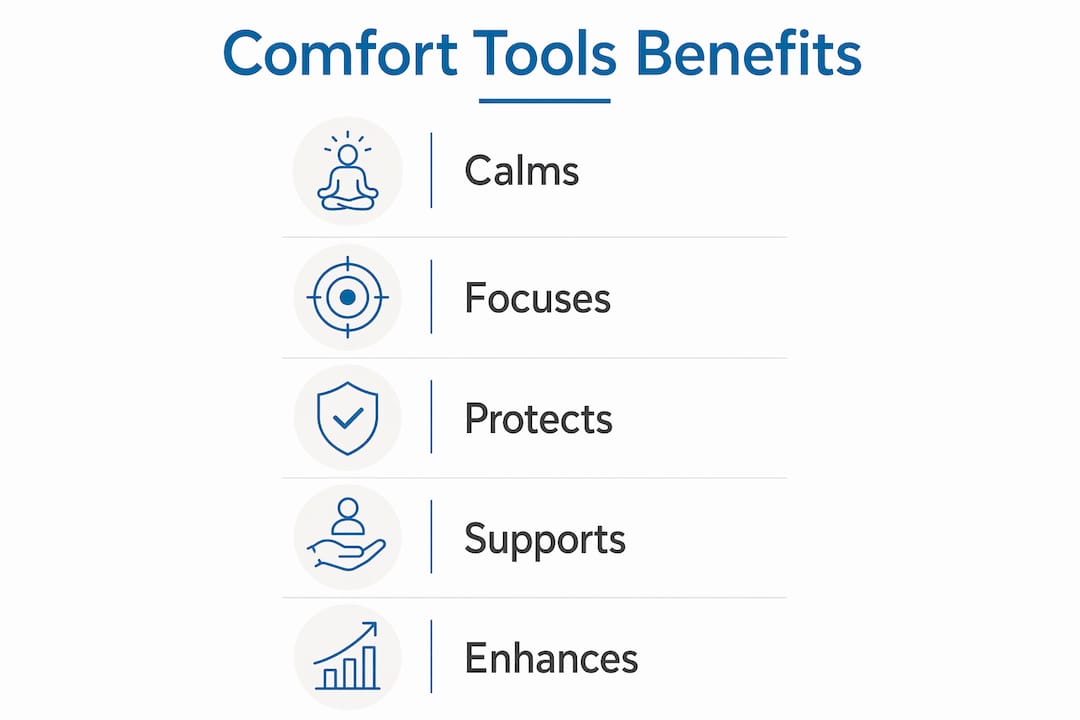
Ignoring minor daily discomforts leads to measurable mental energy loss. Comfort tools act as cognitive protectors, preserving focus and mood by eliminating that low-grade background tension. Think of it as the mental equivalent of background noise. You may not consciously notice it, but it drains your capacity to think clearly and stay emotionally regulated.
Fidget tools reduce anxious energy by providing repetitive sensory input that grounds the brain and interrupts negative thought patterns. This is not distraction. It is redirection. The sensory input gives the brain a concrete, manageable task, which breaks the loop of rumination.
The psychological benefits of comfort tools, supported by clinical research, include:
- Reduced anxiety symptoms including rapid heartbeat and physical tension
- Improved emotional regulation during high-stress periods
- Greater sense of control and grounding in overwhelming situations
- Interrupted negative thought loops through tactile sensory engagement
- Expanded window of tolerance to stress when used consistently over time
- Faster therapeutic progress when integrated alongside professional support
One persistent misconception is that comfort objects are a crutch. Therapists now actively incorporate them into treatment because they support, not replace, active coping. A comfort tool does not solve the source of stress. It creates the physiological and psychological conditions where you can address it effectively.
Pro Tip: Pair your comfort tool with a specific cue, like a deep breath or a short phrase you repeat. This builds a conditioned response that makes the tool more effective over time. You can learn more about this approach through sensory relaxation techniques that combine multiple grounding methods.
What types of comfort tools work best in daily routines?
Comfort tools span a wide range of sensory modalities, and the best one for you depends on your stress triggers and daily environment. The most researched categories include tactile tools, weighted tools, olfactory anchors, and environmental comfort items.
| Tool Type | Primary Mechanism | Ideal Use Case |
|---|---|---|
| Weighted blankets | Deep touch pressure, reduces cortisol | Evening wind-down, sleep preparation |
| Fidget tools | Repetitive tactile input, interrupts rumination | Work stress, meetings, focus tasks |
| Familiar scents | Olfactory memory, triggers calm associations | Morning routine, anxiety spikes |
| Cozy textiles | Warmth and softness, activates parasympathetic response | Rest periods, reading, recovery |
| Acupressure tools | Targeted pressure, releases muscle tension | Post-work decompression, physical stress |
Weighted deep-touch-pressure tools reduce anxiety clinically and support faster therapeutic progress in both home and therapy settings. The pressure mimics the sensation of being held, which activates the parasympathetic nervous system directly. This is why weighted blankets became one of the fastest-growing wellness product categories in recent years.
Routine is the multiplier that makes comfort tools significantly more effective. A comfort tool used randomly provides some benefit. The same tool used at the same time each day builds a conditioned response in your nervous system. Your brain begins to anticipate the calming signal before the tool even activates.
Practical ways to build comfort tools into your daily routine:
- Use a weighted blanket or cozy textile during your evening wind-down, starting 30 minutes before sleep
- Keep a fidget tool at your desk for use during calls, reading, or any task that generates low-level anxiety
- Diffuse a familiar scent during your morning routine to anchor a calm emotional state for the day
- Use an acupressure mat for 10–15 minutes after work to physically release accumulated tension
- Pair comfort tool use with an existing habit, like your morning coffee or post-lunch break, to build consistency
For a broader look at how these tools compare across effectiveness categories, the stress relief techniques guide at Evergreenbliss provides a ranked breakdown worth reviewing.
Do comfort tools replace therapy or clinical treatment?
Comfort tools are not clinical treatments. They are evidence-supported wellness tools that work best alongside professional care, not instead of it. This distinction matters because setting realistic expectations determines whether you use these tools effectively or abandon them when they do not solve deeper issues.
Comfort objects provide grounding and control, reducing anxiety symptoms including rapid heartbeat and physical tension. That is a genuine, measurable benefit. What they cannot do is address the root causes of chronic anxiety, depression, or trauma. Those require professional support from a licensed therapist or clinician.
Cultural stigma around adult comfort item use is real and worth naming directly. Many adults feel embarrassed using a weighted blanket or a fidget tool in public. That stigma has no basis in the research. Therapists now prescribe comfort objects as part of structured treatment plans, and clinical trials confirm their effectiveness in adult populations.
The most effective approach combines comfort tools with active coping strategies. Deep breathing, cognitive reframing, and physical movement each address stress through different pathways. Comfort tools handle the sensory and physiological layer. Active coping handles the cognitive and behavioral layer. Together, they cover more ground than either approach alone. You can explore how deep breathing complements comfort tool use for a more complete stress management approach.
Key Takeaways
Comfort tools improve mood by activating the parasympathetic nervous system, reducing cortisol, and preserving cognitive capacity through consistent sensory grounding.
| Point | Details |
|---|---|
| Physiological mechanism | Comfort tools raise HRV and activate the vagus nerve, shifting the body out of stress mode. |
| Cognitive protection | Minor discomforts drain working memory; comfort tools eliminate this background tension. |
| Routine amplifies results | Daily consistent use builds a conditioned calm response, making tools more effective over time. |
| Not a clinical replacement | Comfort tools support therapy but do not replace professional treatment for anxiety or depression. |
| Stigma is unfounded | Therapists now prescribe comfort objects in adult treatment plans, backed by clinical trial evidence. |
What most people get wrong about comfort tools
Most people treat comfort tools as emergency interventions. They reach for the weighted blanket only when anxiety peaks or grab a fidget toy only during a crisis. That approach gets partial results at best.
What I have found, after years of paying attention to how people actually use these tools, is that the ones who benefit most use them proactively. They build the tool into a moment that already exists in their day, before stress accumulates rather than after it has already taken hold. The nervous system responds to patterns. A comfort tool used consistently at the same time each day starts to trigger a calm response on its own, almost like a trained reflex.
The second thing most people overlook is environment. A comfort tool used in a chaotic, cluttered, or loud space has to work harder to deliver its effect. Pairing your tool with even a small environmental shift, like dimming lights or reducing noise, multiplies the benefit considerably. The brain reads environmental cues alongside sensory ones.
My honest recommendation: start with one tool, use it at the same time every day for two weeks, and pay attention to your baseline mood and tension levels before and after. The results are usually clear enough that you will not need anyone to convince you to continue.
— Cadence
Evergreenbliss wellness tools for comfort and mood
Evergreenbliss carries a curated range of wellness and personal care products built specifically for stress relief, physical comfort, and mood support.
The mental wellness and stress-relief collection includes tools that address both the physiological and sensory dimensions of mood regulation, from acupressure mats to massage devices and sleep aids. Each product is selected to support the kind of consistent, daily comfort tool use that research confirms delivers real results. For personal care tools that integrate into your everyday routine, the personal care gadgets collection offers practical options that make comfort a built-in part of your day, not an afterthought. Free shipping and easy returns make it straightforward to find what works for you.
FAQ
What does a comfort tool actually do to your mood?
A comfort tool activates the parasympathetic nervous system through sensory input, reducing cortisol and raising heart rate variability. This physiological shift directly improves mood by moving the body out of a stress state.
How long does it take for comfort tools to show results?
Most people notice reduced tension within a single session. Consistent daily use over two weeks builds a conditioned response that makes the effect stronger and faster over time.
Are comfort tools effective for adults with anxiety?
Clinical trials confirm that weighted and tactile comfort tools reduce anxiety symptoms in adults, including rapid heartbeat and physical tension. Therapists now incorporate them into structured treatment plans alongside traditional therapy.
Do comfort tools work better with other stress relief methods?
Comfort tools work best when combined with active coping strategies like deep breathing or cognitive reframing. Each method addresses a different layer of the stress response, and together they produce stronger results than any single approach.
Is using a comfort tool as an adult considered healthy?
Using comfort tools as an adult is clinically supported and increasingly recommended by therapists. The stigma around adult comfort item use has no basis in research, and professional guidance now actively encourages their use for emotional regulation.
Recommended
- Examples of Sensory Relaxation Tools for Stress Relief | Evergreen Bliss
- Stress Relief Techniques Ranked by Effectiveness | Evergreen Bliss
- How Relaxation Devices Work: A Science-Based Guide | Evergreen Bliss
- Why Deep Breathing Reduces Stress: Science and Techniques | Evergreen Bliss
Sources and further reading
- Effect of weighted blankets on sleep quality among adults with insomnia: a pilot randomized controlled trial – Pilot randomized controlled trial, via PubMed Central
- Relaxation Techniques: What You Need To Know – National Center for Complementary and Integrative Health (NIH)