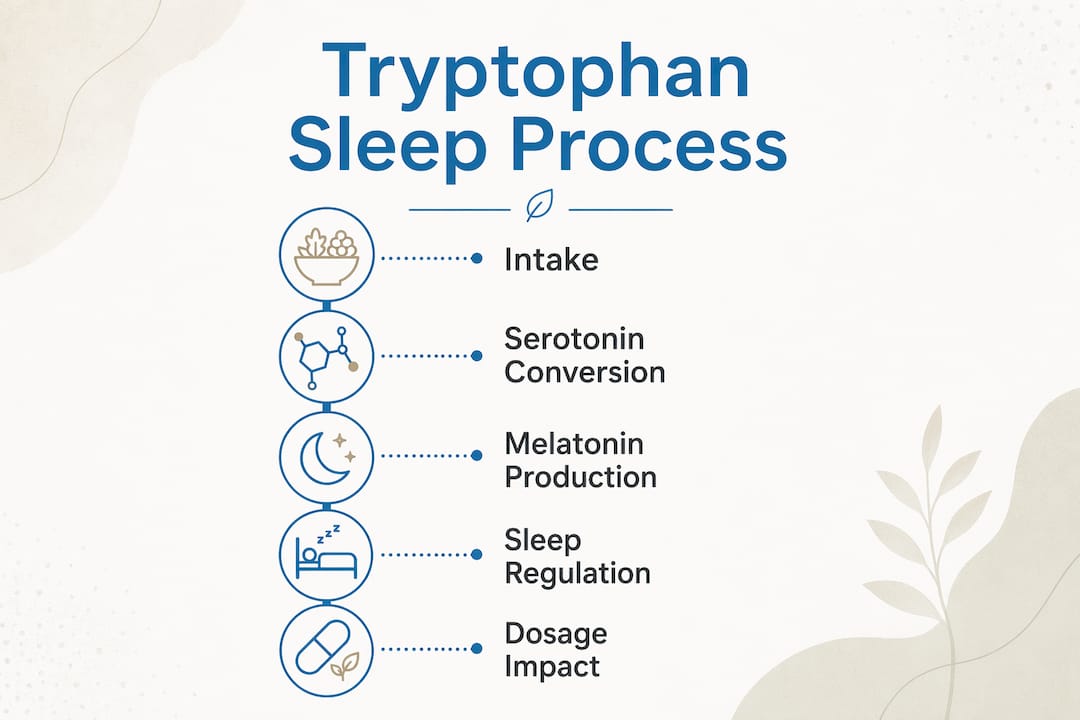
Tryptophan is an essential amino acid that the body converts into serotonin and melatonin, the two chemicals most responsible for regulating sleep. Understanding why tryptophan aids sleep starts with this single biochemical fact: without adequate tryptophan, your brain cannot produce enough melatonin to signal that it is time to rest. Serotonin stabilizes mood and builds the foundation for deep, restorative sleep cycles, while melatonin controls your circadian rhythm. If you have been lying awake at night wondering whether a dietary supplement could help, tryptophan is one of the most research-backed options available.
Why tryptophan aids sleep through serotonin and melatonin
Tryptophan follows two main metabolic pathways once it enters the body. The first is the serotonin pathway, also called the 5-HT pathway, where tryptophan converts into 5-hydroxytryptophan (5-HTP) and then into serotonin. Serotonin is then converted into melatonin by the pineal gland, particularly in the evening when light exposure drops. The second is the kynurenine pathway, which accounts for the majority of tryptophan metabolism and does not produce sleep-promoting compounds.
The kynurenine pathway becomes a problem under stress or neuroinflammation. When this pathway is overactive, tryptophan gets diverted away from serotonin and melatonin production toward neurotoxic metabolites that can actually worsen insomnia. This is a critical reason why tryptophan intake alone does not guarantee better sleep for everyone.
Serotonin does more than just convert into melatonin. It regulates sleep architecture, meaning the balance between light sleep, deep sleep, and REM sleep. Low serotonin is linked to fragmented sleep and early waking. Melatonin, produced downstream from serotonin, signals the brain and body that darkness has arrived and sleep should begin. You can read more about how these stages work in the Evergreenbliss guide on REM sleep and brain health.
Dose matters significantly in this process. L-tryptophan doses of 1 gram or greater reduce sleep latency by stimulating serotonin and melatonin synthesis. That means you fall asleep faster. The evidence on total sleep duration is less consistent, but the effect on how quickly you fall asleep is well supported.
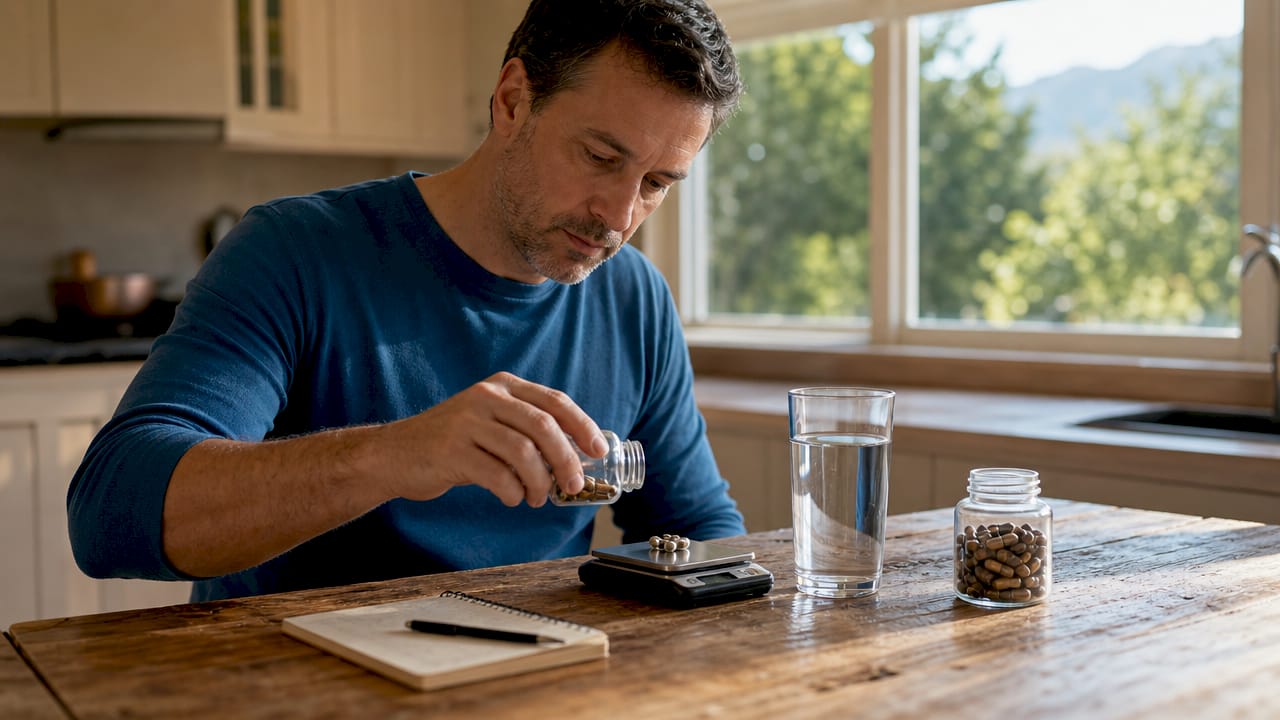
Pro Tip: Pair tryptophan supplements with a low-light evening routine. Melatonin synthesis from serotonin accelerates in darkness, so dimming lights an hour before bed amplifies the supplement’s effect.
What foods contain tryptophan and do they actually help?
Tryptophan is present in many common protein-rich foods. Turkey is the most famous example, but chicken, eggs, dairy products, pumpkin seeds, and tofu all contain meaningful amounts. A 3-ounce serving of turkey provides roughly 250 mg of tryptophan. That sounds substantial until you compare it to the therapeutic range.
Therapeutic supplement doses range from 1,000 mg to 3,000 mg daily, which is four to twelve times what a typical serving of turkey provides. This is why the popular belief that turkey makes you sleepy at Thanksgiving is largely a myth. The post-meal drowsiness comes from overeating, alcohol, and the relaxation of a holiday, not from tryptophan content alone.
There is also a transport problem. Tryptophan competes with other large neutral amino acids, including leucine, isoleucine, and valine, to cross the blood-brain barrier. When you eat a protein-rich meal, all these amino acids flood the bloodstream at once. Tryptophan loses this competition most of the time, which is why tryptophan-rich meals alone rarely raise brain serotonin enough to cause sleepiness.
Carbohydrates change this equation. When you eat carbohydrates, insulin is released. Insulin drives most competing amino acids into muscle tissue, but tryptophan is largely bound to albumin in the blood and is not cleared the same way. The result is a higher ratio of tryptophan relative to its competitors, which improves tryptophan brain uptake. A small carbohydrate snack paired with a tryptophan-rich food in the evening, such as whole grain crackers with turkey or a banana with almond butter, can meaningfully improve how much tryptophan reaches the brain.
| Food source | Approximate tryptophan per serving |
|---|---|
| Turkey (3 oz) | ~250 mg |
| Chicken breast (3 oz) | ~230 mg |
| Eggs (2 large) | ~150 mg |
| Cheddar cheese (1 oz) | ~90 mg |
| Pumpkin seeds (1 oz) | ~160 mg |
The psychological dimension of food rituals also contributes to sleep. The comfort of drinking warm milk signals the brain to prepare for sleep independently of the modest tryptophan content in the milk itself. Ritual and routine are real sleep tools, even when the biochemistry is modest.
What factors affect how well tryptophan supports sleep quality?
Tryptophan’s effectiveness is not fixed. Several lifestyle and biological factors determine whether the tryptophan you consume actually reaches the brain and converts into melatonin.
The biggest disruptors are:
- Caffeine: Caffeine blocks adenosine receptors and raises cortisol, which increases stress-driven kynurenine pathway activity. This diverts tryptophan away from serotonin production.
- Alcohol: Alcohol may initially feel sedating, but it fragments sleep architecture and reduces REM sleep. It also disrupts serotonin signaling.
- Light exposure: Blue light from screens suppresses melatonin synthesis even when tryptophan levels are adequate. The enzyme that converts serotonin to melatonin is light-sensitive.
- Erratic sleep schedules: Irregular bedtimes disrupt the circadian timing that governs melatonin release, reducing the window in which tryptophan conversion is most effective.
- Chronic stress and inflammation: Neuroinflammation activates the kynurenine pathway, pulling tryptophan away from serotonin and melatonin synthesis toward compounds that can worsen insomnia.
Individual responses to tryptophan supplementation vary widely because of these compounding factors. Two people taking the same dose can have very different outcomes depending on their stress levels, diet, and sleep habits. This variability is why tryptophan works best as part of a broader sleep strategy rather than as a single fix.
Overall dietary patterns matter more than isolated tryptophan intake for sustained sleep quality. A diet rich in whole foods, low in processed sugar, and consistent in meal timing supports steady tryptophan levels and reduces the inflammation that hijacks the kynurenine pathway. You can explore how stress specifically undermines sleep in the Evergreenbliss article on stress and sleep quality.
Pro Tip: Cut caffeine by 2 p.m. if you plan to use tryptophan supplements. Caffeine’s half-life is roughly 5–6 hours, meaning an afternoon coffee is still active in your system at bedtime and will blunt tryptophan’s sleep-promoting effects.
How to use tryptophan supplements safely for better sleep
Tryptophan supplements are sold as L-tryptophan, the natural form found in food, and as 5-HTP, the intermediate compound that converts directly into serotonin. Both are available without a prescription in the United States.
Follow these steps when starting tryptophan supplementation:
- Start at 500 mg and increase gradually. Doses below 1 gram generally do not produce significant sleepiness effects, but starting lower lets you assess tolerance before moving to the therapeutic range of 1,000 mg to 3,000 mg.
- Take it 30–60 minutes before bed. This timing aligns with the conversion window for serotonin and melatonin synthesis, giving the compound time to reach the brain before your target sleep time.
- Take it on a light carbohydrate snack. A small amount of carbohydrates, such as a few crackers or a piece of fruit, reduces competition from other amino acids and improves brain uptake.
- Avoid combining with SSRIs or MAOIs without medical guidance. Tryptophan raises serotonin levels. Combining it with medications that also raise serotonin creates a risk of serotonin syndrome, a potentially serious condition.
- Watch for side effects. Common side effects at higher doses include nausea, dizziness, and drowsiness the following morning. If morning grogginess persists, reduce the dose.
- Consult a healthcare provider before long-term use. This is especially relevant if you have a history of depression, liver conditions, or are taking any prescription medications.
Clinical studies show that combining tryptophan with natural extracts such as mulberry leaf extract can improve both sleep quality and post-awakening mood in adults with sleep disturbances. This suggests that stacking tryptophan with complementary compounds may produce better results than tryptophan alone. Good sleep hygiene practices remain the foundation that any supplement builds on.
Key Takeaways
Tryptophan aids sleep by converting into serotonin and melatonin, but doses of at least 1 gram are required for meaningful sleep benefits, and lifestyle factors determine whether that conversion actually happens.
| Point | Details |
|---|---|
| Biochemical pathway | Tryptophan converts to serotonin, then melatonin, which signals the brain to initiate sleep. |
| Effective dose | L-tryptophan doses of 1 gram or more reduce sleep latency; food sources alone rarely reach this threshold. |
| Carbohydrate pairing | Eating carbohydrates with tryptophan reduces amino acid competition and improves brain uptake. |
| Lifestyle factors | Caffeine, alcohol, blue light, and chronic stress all reduce tryptophan’s conversion to melatonin. |
| Supplement safety | Avoid combining L-tryptophan with SSRIs or MAOIs, and consult a healthcare provider for long-term use. |
The turkey myth and what actually works
I have spent years watching people chase the Thanksgiving drowsiness theory, convinced that eating more turkey or drinking warm milk before bed will solve their insomnia. The science is clear: food-based tryptophan rarely moves the needle on sleep because the doses are too low and the competition at the blood-brain barrier is too fierce.
What I have found actually works is treating tryptophan as one piece of a larger system. The supplement dose needs to be at least 1 gram. The timing needs to be deliberate, 30–60 minutes before bed with a small carbohydrate snack. And the lifestyle context needs to support it: consistent sleep and wake times, reduced evening light, and caffeine cut off by early afternoon.
The most underrated factor is stress. Chronic stress activates the kynurenine pathway and essentially steals your tryptophan before it can become melatonin. No supplement dose fixes that without also addressing the stress itself. Tryptophan is a genuinely useful tool for sleep, but it works best when the rest of your habits are not working against it.
My honest recommendation: start with your sleep environment and schedule before adding supplements. Once those are solid, tryptophan supplementation at a therapeutic dose can meaningfully reduce the time it takes to fall asleep. Expect a supportive effect, not a sedative one.
— Cadence
Sleep support from Evergreenbliss
If you are ready to move beyond food sources and explore targeted sleep support, Evergreenbliss offers a curated selection of products designed to complement a natural sleep routine.

The sleep and relaxation aids collection at Evergreenbliss includes melatonin-based supplements and stress-relief tools that pair well with a tryptophan-focused approach. For those dealing with sleep disruption tied to stress, the stress relief sleep supplements combine melatonin with natural calming ingredients to support both sleep onset and sleep quality. Every product ships free with easy returns, so you can try what works for your body without risk.
FAQ
What is tryptophan and why does it help with sleep?
Tryptophan is an essential amino acid that the body converts into serotonin and then melatonin, the hormone that regulates the sleep-wake cycle. Higher melatonin levels signal the brain to initiate sleep, which is why tryptophan is considered a natural sleep aid.
How much tryptophan do you need to improve sleep?
Doses of at least 1 gram of L-tryptophan are required to reduce sleep latency and produce meaningful sleep benefits. Typical food servings, such as a 3-ounce portion of turkey at roughly 250 mg, fall well below this therapeutic threshold.
Does eating turkey really make you sleepy?
Turkey contains tryptophan, but not enough to cause significant sedation on its own. Post-meal drowsiness after a large holiday meal comes from overeating, alcohol, and relaxation rather than tryptophan content.
Can you take tryptophan supplements with other sleep medications?
L-tryptophan should not be combined with SSRIs or MAOIs without medical supervision, as both raise serotonin levels and the combination risks serotonin syndrome. Always consult a healthcare provider before adding tryptophan to an existing medication regimen.
What foods help tryptophan work better for sleep?
Pairing tryptophan-rich foods with a small carbohydrate snack improves brain uptake by reducing competition from other amino acids at the blood-brain barrier. Examples include whole grain crackers with turkey or a banana with almond butter eaten about an hour before bed.