Non-habit-forming sleep aids are substances or strategies that improve sleep quality without causing physical or psychological dependence. That distinction matters because millions of people reach for sleep support and unknowingly choose options that create long-term reliance. The best examples of non-habit-forming sleep aids span three categories: pharmacological agents like ramelteon and suvorexant, natural supplements like magnesium glycinate and chamomile, and behavioral interventions like morning sunlight exposure and temperature control. Each category works through a different mechanism, and the most effective approach combines all three rather than relying on any single solution.
What are the best examples of non-habit-forming sleep aids?
The industry term for this category is “non-dependence-forming sleep support,” which covers both clinical medications and lifestyle-based strategies. Understanding which options fall into this category helps you make safer, more informed choices. The sections below cover each major type in depth.
1. Ramelteon and melatonin receptor agonists
Ramelteon is a prescription medication that targets melatonin receptors to normalize circadian rhythms without causing dependence. That mechanism is fundamentally different from benzodiazepines and Z-drugs, which sedate the brain broadly and carry significant addiction risk. Ramelteon works by mimicking the natural melatonin signal your brain uses to initiate sleep, so it supports your body’s own rhythm rather than overriding it.
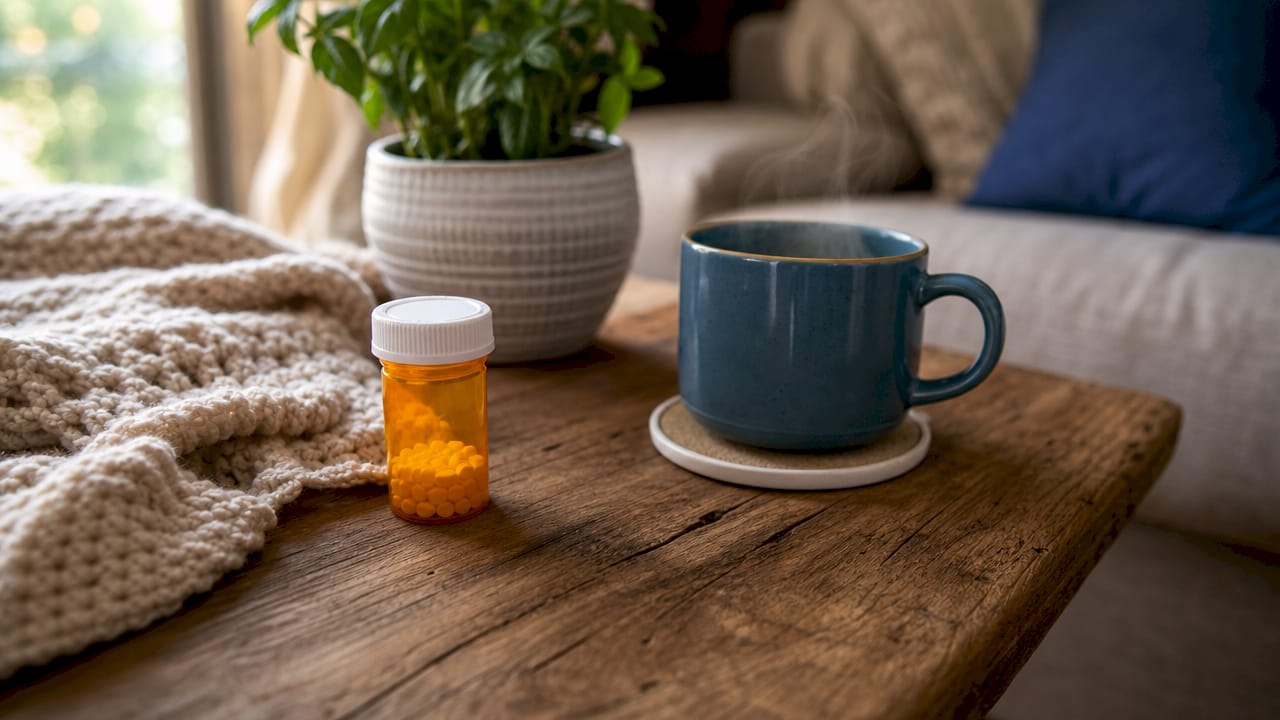
This class of medication is appropriate for people whose primary problem is difficulty falling asleep due to circadian misalignment, such as shift workers or those with jet lag. Because ramelteon does not affect GABA receptors, it does not produce the tolerance or withdrawal effects associated with habit-forming sleep drugs. A physician can assess whether this option fits your specific sleep disruption pattern.
Pro Tip: Ask your doctor specifically about melatonin receptor agonists if you struggle to fall asleep but do not have trouble staying asleep. The distinction matters for choosing the right medication class.
2. Suvorexant and orexin receptor antagonists
Suvorexant works by blocking orexin, a brain chemical that promotes wakefulness. Blocking orexin signals helps the brain transition into sleep without the sedative overload of older sleep drugs. This approach preserves natural sleep architecture, meaning you still cycle through the deep and REM stages your body needs.
Orexin receptor antagonists are particularly useful for people who lie awake with racing thoughts or hyperarousal at bedtime. Because the drug does not create physical dependence at standard doses, stopping it does not cause rebound insomnia in the way that benzodiazepines do. Sleep pharmacology differentiates drugs by receptor target and effects on sleep architecture, and suvorexant scores well on both safety measures.
3. Low-dose doxepin and sedating antidepressants
Low-dose doxepin (3–6 mg) is FDA-approved specifically for sleep maintenance problems. At this dose, it works as an antihistamine rather than a full antidepressant, blocking histamine receptors to reduce nighttime waking without causing next-day sedation. Trazodone is another sedating antidepressant used off-label for sleep, particularly in people who also experience anxiety or depression.
Neither doxepin at low doses nor trazodone carries the dependence profile of classic sleep medications. They are best suited for people who wake repeatedly during the night rather than those who struggle to fall asleep. A prescriber can match the right option to your specific sleep disruption pattern.
4. Chamomile and apigenin-based herbal aids
Chamomile contains apigenin, a compound that acts as a mild sedative via GABA-A receptor partial agonism without causing dependence. That means chamomile calms the nervous system through the same pathway as anti-anxiety drugs, but at a fraction of the intensity and with no addiction risk. It is available as tea, standardized extract capsules, or tinctures.
Chamomile works best for people whose sleep problems stem from mild anxiety or difficulty winding down. People with ragweed allergies should use it cautiously, as chamomile belongs to the same plant family. Standardized extracts with a known apigenin content are more reliable than loose-leaf teas for consistent dosing.
Herbal sleep aids like chamomile, passionflower, and lemon balm work through GABA receptor modulation, the same pathway targeted by prescription anti-anxiety medications, but without the dependence risk. That makes them genuinely useful first-line options for stress-related sleep difficulties.
5. Passionflower, lemon balm, and skullcap
Passionflower reduces anxiety-driven wakefulness by increasing GABA activity in the brain. Lemon balm contains rosmarinic acid, which inhibits an enzyme that breaks down GABA, effectively extending its calming effect. Skullcap acts on benzodiazepine receptor sites without triggering dependence, making it one of the more potent herbal options available without a prescription.
These three herbs are available as teas, capsules, and liquid extracts. Combining them in a formula is common because their mechanisms complement each other. Check for third-party testing on any herbal product you buy, since supplement quality varies widely across brands.
Pro Tip: Look for herbal sleep products that display a Certificate of Analysis from an independent lab. This confirms the product contains what the label claims and is free from contaminants.
6. Lavender aromatherapy
Lavender essential oil promotes restorative sleep stages and reduces anxiety without any metabolic burden on the body. Inhaling lavender before bed increases slow-wave sleep, the deepest and most physically restorative stage. This makes it one of the few non-chemical interventions with measurable effects on sleep architecture.
Diffusing lavender in the bedroom for 30 minutes before sleep is the most studied delivery method. Lavender pillow sprays and topical dilutions are also effective. Because lavender is inhaled rather than ingested, it carries essentially no risk of dependence or next-day grogginess.
7. Magnesium glycinate and magnesium L-threonate
Magnesium glycinate has higher bioavailability than common magnesium oxide and supports relaxation and sleep quality more effectively. Magnesium L-threonate crosses the blood-brain barrier and supports both cognition and sleep, making it the preferred form for people who also experience brain fog or stress-related sleep disruption. Both forms reduce neuronal excitability, which translates to a calmer mind at bedtime.
Magnesium deficiency is common in adults who eat a processed diet, and correcting it alone can produce noticeable improvements in sleep quality. A typical effective dose of magnesium glycinate for sleep is 200–400 mg taken 30–60 minutes before bed. Magnesium does not cause dependence and can be used long-term as part of a broader sleep supplement routine.
8. Glycine and L-theanine
Glycine is an amino acid that lowers core body temperature by redirecting blood flow to the skin, which signals the brain that it is time to sleep. This mechanism is distinct from sedation. Glycine does not knock you out. It creates the physiological conditions your body uses to initiate sleep naturally.
L-theanine promotes relaxed alertness by increasing alpha brain wave activity without causing sedation. It is particularly useful for people who feel wired but tired at bedtime. Combination stacks of magnesium, apigenin, L-theanine, and glycine leverage complementary mechanisms to improve sleep more effectively than any single supplement. These compounds work together to modulate GABA activity, regulate core temperature, and reduce neuronal excitability.
Pro Tip: Take glycine (2–3 g) and L-theanine (100–200 mg) together about 30 minutes before bed. The combination addresses both the physical and mental components of sleep onset without any risk of dependence.
9. Morning sunlight and circadian rhythm anchoring
Ten minutes of direct sunlight within 30 minutes of waking regulates cortisol and anchors your circadian rhythm for the rest of the day. That single habit sets the biological clock that determines when you feel sleepy at night. Without it, melatonin release shifts later, making it harder to fall asleep at a consistent time.
Morning light exposure is the most underused non-addictive sleep remedy available. It costs nothing and has no side effects. People who work indoors should step outside immediately after waking, even on cloudy days, since outdoor light is still far brighter than indoor lighting.
10. Bedroom temperature optimization
The American Academy of Sleep Medicine (AASM) recommends a sleep environment temperature between 65 and 67°F for optimal restorative sleep. Most bedrooms run warmer than this, which reduces both slow-wave and REM sleep percentages. Cooling your bedroom is one of the fastest ways to improve sleep quality without any supplement or medication.
A cooling mattress pad, a fan, or simply lowering the thermostat can produce results within the first night. The body needs to drop its core temperature by about 2–3°F to initiate and maintain sleep. Removing heavy blankets or wearing lighter sleepwear supports this process.
11. Blue light reduction and pre-sleep wind-down
Avoiding caffeine after 1 pm and dimming lights 90 minutes before bed strengthen circadian rhythm alignment and support natural melatonin release. Blue light from screens suppresses melatonin directly, delaying sleep onset by up to 90 minutes in sensitive individuals. Switching to warm-toned lighting and using blue-light-filtering glasses or screen settings after sunset addresses this without any chemical intervention.
A structured wind-down routine signals the nervous system that sleep is approaching. This can include light stretching, reading physical books, or a warm shower. The warm shower works partly through the same temperature mechanism as glycine: the post-shower cooling of the body triggers sleep onset signals.
| Intervention | Mechanism | Time to Effect |
|---|---|---|
| Morning sunlight | Cortisol regulation, circadian anchoring | 2–3 days |
| Bedroom cooling (65–67°F) | Core temperature drop | First night |
| Blue light reduction | Melatonin preservation | First night |
| Magnesium glycinate | GABA modulation, relaxation | 1–2 weeks |
| Chamomile / apigenin | GABA-A receptor partial agonism | 30–60 minutes |
Environmental and behavioral changes like morning sunlight and bedroom temperature can increase deep sleep by up to 40% within one week. That figure puts supplements in perspective. No supplement produces results that dramatic that quickly.
12. How to choose and combine sleep aids safely
Identifying the root cause of your sleep problem is the first step before reaching for any supplement or medication. Someone who cannot fall asleep due to anxiety needs a different solution than someone who wakes at 3 am due to blood sugar fluctuations. Matching the aid to the actual problem produces far better results than trying a random supplement stack.
Sleep supplements work best as short-term bridges while you build stronger behavioral foundations, not as permanent replacements for good sleep hygiene. Using them indefinitely without addressing the underlying cause is the most common mistake people make. The goal is to use the supplement for 2–4 weeks while establishing the environmental and behavioral habits that will sustain sleep quality long-term.
Key principles for safe combination:
- Start with one supplement at a time to identify what works for your body.
- Never combine herbal sedatives with prescription sleep medications without medical guidance.
- Avoid alcohol as a sleep aid. It fragments sleep architecture and reduces REM sleep.
- Use sleep hygiene practices as the foundation, with supplements as the addition.
- Consult a physician if sleep problems persist beyond four weeks despite consistent behavioral changes.
Pro Tip: Keep a simple sleep log for two weeks before adding any supplement. Note bedtime, wake time, and how rested you feel. This baseline makes it far easier to tell whether a supplement is actually working.
Key takeaways
The most effective approach to non-habit-forming sleep support combines environmental anchoring, targeted supplements, and behavioral consistency rather than relying on any single aid.
| Point | Details |
|---|---|
| Pharmacological options exist | Ramelteon, suvorexant, and low-dose doxepin improve sleep without dependence risk. |
| Herbal aids target GABA | Chamomile, passionflower, and lemon balm calm the nervous system without addiction. |
| Minerals and amino acids support sleep chemistry | Magnesium glycinate, glycine, and L-theanine address relaxation and temperature regulation. |
| Environment drives deep sleep | Cooling your bedroom to 65–67°F and morning sunlight can increase deep sleep by up to 40%. |
| Supplements are bridges, not solutions | Use non-addictive sleep remedies short-term while building lasting behavioral habits. |
Why behavior comes first, and supplements come second
The sleep supplement market is full of products that work, but most people use them in the wrong order. I have seen people spend months cycling through melatonin, magnesium, and herbal blends while sleeping in a 72°F bedroom with a phone on their nightstand. The supplements were not the problem. The environment was.
The research is clear: environmental factors like light timing and bedroom temperature create the biological basis that sleep aids need to actually work. A supplement cannot override a circadian rhythm that is misaligned by two hours of late-night screen exposure. Fix the environment first, then add supplements if needed.
That said, I think people are too quick to dismiss pharmacological options like ramelteon and suvorexant. These are genuinely non-habit-forming medications with strong safety profiles. If you have tried behavioral changes for four weeks and still cannot sleep, talking to a doctor about these options is not a failure. It is the right next step.
The goal is not to avoid all sleep aids forever. The goal is to avoid dependence. Non-addictive sleep remedies, used correctly and temporarily, are a legitimate part of a well-designed sleep improvement plan. The mistake is treating them as the plan itself.
— Cadence
Sleep and relaxation tools from Evergreenbliss
Supplements and behavioral changes work best when your physical environment supports them. Evergreenbliss carries a curated range of sleep and relaxation aids designed to complement the strategies covered here, from stress-relief tools to devices that help your body wind down before bed.
The collection includes products like acupressure mats, neck massagers, and stress relief sleep supplements formulated without dependency-forming ingredients. These tools pair naturally with the behavioral and environmental changes that form the foundation of lasting sleep improvement. Free shipping and easy returns make it straightforward to try what works for your situation.
FAQ
What makes a sleep aid non-habit-forming?
A non-habit-forming sleep aid does not cause physical or psychological dependence, meaning you can stop using it without withdrawal symptoms or rebound insomnia. Examples include ramelteon, magnesium glycinate, chamomile, and behavioral interventions like temperature regulation.
Is melatonin a non-habit-forming sleep aid?
Melatonin is generally considered non-habit-forming at low doses, but most people take doses 10 times higher than necessary, which can blunt the body’s natural melatonin production over time. A dose of 0.5–1 mg is typically more effective than the 5–10 mg doses commonly sold.
Can herbal sleep aids be used every night?
Most herbal sleep aids like chamomile, lemon balm, and lavender are safe for regular use because they do not create tolerance or dependence. However, using any sleep aid nightly without addressing the root cause of poor sleep delays the behavioral changes that produce lasting results.
How quickly do non-pharmacological sleep aids work?
Environmental changes like cooling your bedroom and morning sunlight exposure can improve sleep quality within the first night to a few days. Supplement-based aids like magnesium glycinate typically require 1–2 weeks of consistent use before producing noticeable effects.
When should I see a doctor about sleep problems?
See a doctor if sleep difficulties persist for more than four weeks despite consistent behavioral changes, or if you experience symptoms like loud snoring, gasping, or extreme daytime fatigue. These may indicate a sleep disorder like sleep apnea that requires clinical evaluation rather than supplements.